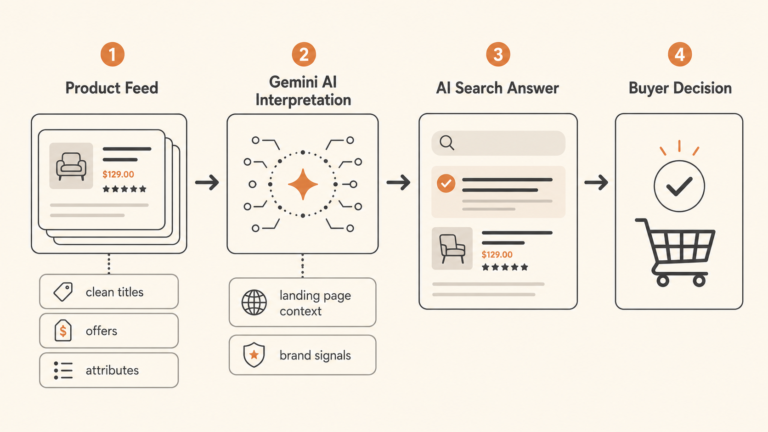

Google Is Moving Search Ads Into AI Answers — And That Changes Everything for Marketers

Google Is Moving Search Ads Into AI Answers — And That Changes Everything for Marketers For a long time, search ads were simple to understand. A user typed something into...
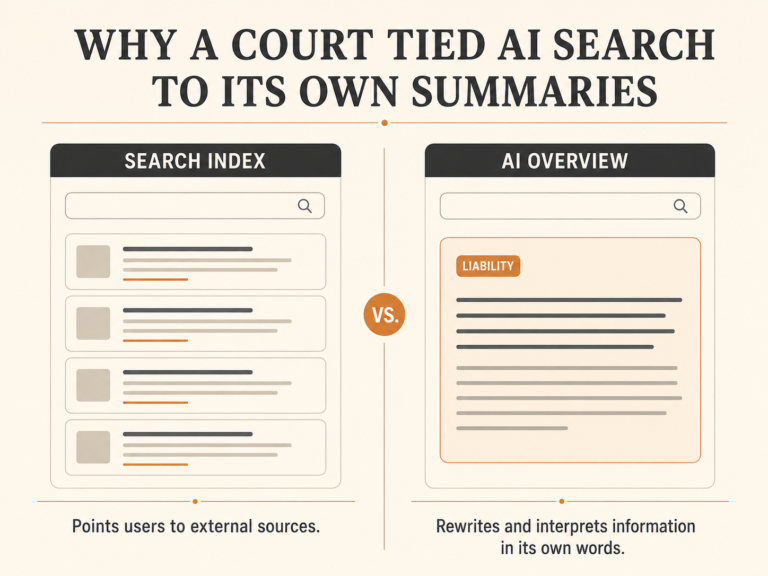
When AI Search Gets It Wrong: Why Google’s AI Overview Is Now a Brand-Safety Risk

AI Search Is No Longer Neutral: What Brands Should Learn from Google’s Court Case AI Search Is Now a Brand-Safety Problem, Not Just an SEO Problem For years, brands...

Reclaiming Your Time: Transforming Business Ownership into Freedom

Reclaiming Your Time: Transforming Business Ownership into Freedom In the fast-paced world of business, many entrepreneurs find themselves ensnared in the very operations...

Maximize Efficiency: How One AI Tool Can Replace Your Marketing Stack

Maximize Efficiency: How One AI Tool Can Replace Your Marketing Stack In the fast-paced world of e-commerce, efficiency is not just a luxury; it’s a necessity. Many...

The Rise and Fall of MoviePass: Lessons for Marketers

The Rise and Fall of MoviePass: Lessons for Marketers In the ever-evolving landscape of marketing, the story of MoviePass stands as a cautionary tale. Launched in...
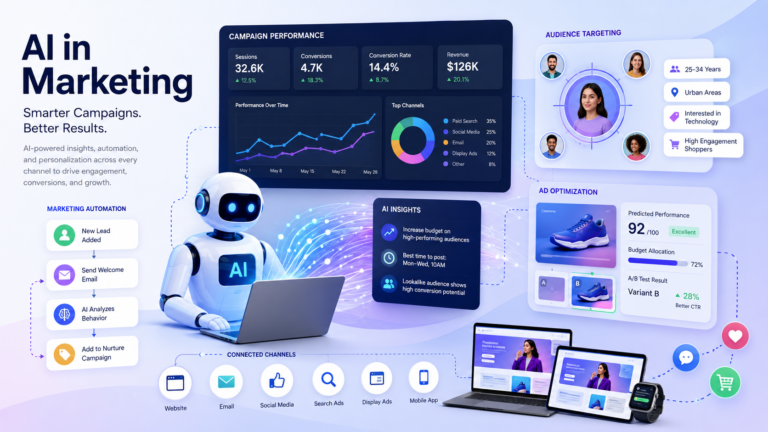
Harnessing AI for Marketing Success: Lessons from the Latest Innovations

In the rapidly evolving landscape of marketing, the integration of artificial intelligence (AI) is reshaping strategies and redefining success metrics for brands. With...

Mastering Hyperparameters: Tuning Your Models for Business Impact!

Mastering Hyperparameters: Tuning Your Models for Business Impact In machine learning, hyperparameters are the settings we choose before training a model think of them as...

The Psychology of “Holy Sh*t, That’s Huge”: Why Oversized Marketing Works

  Why Monumental Marketing Grabs the Mind People instinctively notice things that deviate drastically from everyday scale. Encountering an object far larger or smaller...
The Art of the Tease: What Makes a Movie Trailer Truly Unforgettable?

  Have you ever walked out of the theater humming a tune from a trailer or found yourself replaying a teaser on YouTube long after the credits rolled? You’re not alone...

This is a detailed breakdown of each stage in the Google Ads Digital Marketing Strategy, including multiple tool options for each step:

1. Research & Planning

Before launching a campaign, thorough research is essential to ensure the best targeting and positioning.

Key Activities:

  • Market Research: Understand audience behavior, needs, and competition.
  • Competitor Analysis: Analyze competitor ads and strategies.
  • Keyword Research: Identify high-intent keywords for better targeting.

 Tools to Use:

  • Keyword Research: Google Keyword Planner, SEMrush, Ahrefs, Ubersuggest
  • Competitor Research: SpyFu, SimilarWeb, iSpionage
  • Market Analysis: Google Trends, Statista, AnswerThePublic

2. Campaign Structure & Setup

A well-structured campaign enhances performance and budget efficiency.

Key Activities:

  • Campaign Objective: Choose from Awareness, Consideration, or Conversion goals.
  • Campaign Type: Select Search, Display, Video, Shopping, or Performance Max.
  • Budget & Bidding Strategy: Set daily budgets and bidding methods like Maximize Clicks, Target ROAS, Target CPA, or Manual CPC.

Tools to Use:

  • Campaign Setup: Google Ads Manager, Microsoft Ads
  • Bidding Strategy Analysis: Google Ads Scripts, Optmyzr, Adzooma

3. Ad Copy & Creative Development

Compelling ad copies and visuals increase engagement and conversions.

Key Activities:

  • Writing Headlines & Descriptions: Focus on USPs, CTAs, and emotional triggers.
  • A/B Testing: Test different versions of ad copies to optimize performance.
  • Ad Extensions: Add site links, callouts, structured snippets, etc.
  • Display & Video Ad Creatives: Design eye-catching visuals for Display & YouTube Ads.

Tools to Use:

  • Ad Copy & Headline Testing: Google Responsive Search Ads, Copy.ai, Jasper
  • Creative Design: Canva, Adobe Photoshop, Creatopy
  • A/B Testing: Google Optimize, Unbounce

4. Audience Targeting & Segmentation

Reaching the right audience ensures better ROI and engagement.

Key Activities:

  • Demographics & Interests: Target based on age, gender, income, location, and interests.
  • Custom & Lookalike Audiences: Use data-driven targeting with similar audience profiles.
  • Remarketing: Retarget past visitors to improve conversions.

Tools to Use:

  • Google Audience Manager (for custom intent, in-market, remarketing)
  • Facebook Audience Insights (for additional cross-platform data)
  • Google Analytics 4 (GA4) (for deep insights on audience behavior)

5. Campaign Launch & Execution

After finalizing the strategy, it’s time to launch your ads.

Key Activities:

  • Ad Scheduling: Show ads at peak engagement times.
  • Geotargeting: Target specific locations or exclude low-performing areas.
  • Device Optimization: Adjust bids for mobile, desktop, or tablets.

Tools to Use:

  • Google Ads Scheduler, Adzooma (for automated ad scheduling)
  • Google My Business, Google Maps Ads (for local targeting)

6. Performance Tracking & Optimization

Continuous monitoring and adjustments lead to better campaign performance.

Key Activities:

  • Tracking KPIs: Monitor CTR, CPC, Quality Score, Conversion Rate, and ROAS.
  • Landing Page Optimization: Improve pages to match user intent and enhance conversions.
  • Ad Optimization: Pause underperforming ads, adjust bidding strategies, and refine keywords.

 Tools to Use:

  • Google Analytics 4, Google Tag Manager (for tracking conversions & user behavior)
  • Hotjar, Crazy Egg (for heatmaps & user experience analysis)
  • Optmyzr, Adalysis (for automated ad optimizations)

7. Scaling & Expansion

Once you have a winning formula, scale up for bigger results.

Key Activities:

  • Expanding Keywords: Add new keyword variations based on search term reports.
  • Increase Ad Spend: Gradually increase budgets for high-performing campaigns.
  • Multi-Channel Strategy: Expand to Microsoft Ads, Facebook Ads, LinkedIn Ads, and Native Ads.

Tools to Use:

  • SEMrush, Ahrefs (to discover new keyword opportunities)
  • Google Display Network, YouTube Ads (for broader reach)
  • Google Data Studio, Supermetrics (for advanced reporting & visualization)

This comprehensive  Google Ads strategy empowers businesses to drive targeted traffic, enhance campaign performance, and achieve measurable growth. 

“A brand is no longer what we tell the consumer it is—it is what consumers tell each other it is.”                              -Scott Cook