The Psychology of “Holy Sh*t, That’s Huge”: Why Oversized Marketing Works

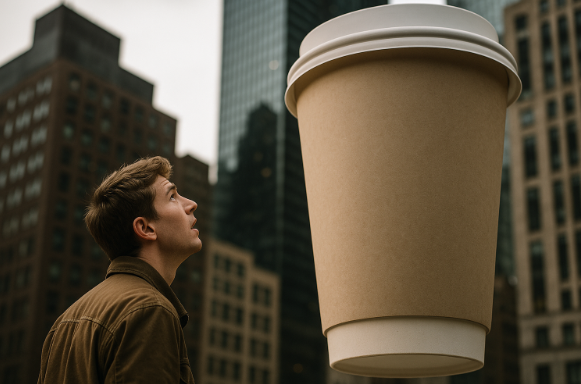
Person seeing big cup


Why Monumental Marketing Grabs the Mind

People instinctively notice things that deviate drastically from everyday scale. Encountering an object far larger or smaller than expected interrupts our automatic mental routines and sparks curiosity. This “cognitive disruption” compels attention in an era of constant distractions marketingmonk.so. In marketing, oversized installations exploit this effect: they break the visual pattern of daily life, creating a momentary pause that brands can leverage.


Built for the Share Economy

In today’s smartphone-driven world, physical spectacles double as content generators. A striking giant prop invites onlookers to grab their phones, snap photos or videos (often posing alongside for scale), and share on social platforms. Each post becomes free promotion, as users willingly amplify the stunt to their networks. For instance, IKEA’s colossal Frakta bag wrap in London drew visitors to photograph and post their experiences, multiplying reach far beyond paid advertising reutersconnect.com. Such installations transform the audience into voluntary brand advocates, generating authentic buzz.


Context Is King: Aligning Scale with Story

Not all supersized ideas resonate. The most impactful oversized activations resonate with existing brand narratives or emotional ties. Marks & Spencer’s large-scale Percy Pig sculpture atop a store leveraged nostalgia for a beloved icon, amplifying positive associations rather than feeling arbitrary spurcreative.co.uk. Similarly, any enlarged replica must reflect brand values or promise: an absurdly large product makes sense only if it underscores the intended message (e.g., abundance, comfort, playfulness). If scale feels unmoored from brand identity, the stunt risks appearing hollow.


Loud Over Subtle: A Necessary Shift?

Classic understated commercials or cryptic hints can be elegant, but in a landscape saturated by thousands of messages daily, subtlety often goes unnoticed. Oversized installations act like a megaphone: overt, unpretentious, and memorable. They declare plainly, for example, “We craft exceptional coffee here’s a giant cup to prove it.” In many contexts, this candid spectacle cuts through clutter more effectively than nuanced campaigns. Brands must decide when boldness serves their audience and objectives better than quiet sophistication.


One-Time Investment, Long-Term Echo

Creating a large-scale installation can require a hefty upfront outlay, yet the earned media often dwarfs what equivalent paid campaigns achieve. Each social share, article, and mention adds up to widespread exposure at no extra cost. For example, IKEA’s oversized bag installation likely surpassed numerous conventional ads in total reach and longevity. Such installations can become landmarks or talking points lasting well beyond the launch period. To gauge impact, brands can use social-listening tools to tally mentions and estimate the equivalent paid ad budget needed for similar impressions linkedin.com.


Avoiding the Copycat Trap

As more brands adopt supersized activations, novelty wanes. Simply enlarging a product loses efficacy if everyone does it. The future lies in deepening the experience: adding interactive elements, narrative layers, or surprise twists. For example, collaborations that allow visitors to engage inside or around the installation—rather than merely photograph it sustain interest. Monitoring early engagement metrics (foot traffic, shares per visitor, sentiment) helps determine whether to enhance or pivot the experience.


Lessons for Smaller Players

Big budgets aren’t essential to play with scale. Even modest brands can create “larger-than-life” moments that resonate. A local café might install a giant coffee cup prop near a busy pedestrian route, inviting selfies and social mentions, at a fraction of major brand costs. Key steps: ensure the concept fits brand personality and audience expectations; design for easy sharing (branded hashtags, simple interactive prompts); and measure outcomes via basic analytics (e.g., track footfall changes, hashtag usage, or short-term sales lift). When scale aligns with a delightful idea, even small activations can punch above their weight.


Evolving the Spectacle: Beyond Physical Size

As oversized props become commonplace, maintaining the “wow” factor demands innovation. Future directions include:

  • Interactive Layers: Integrating AR elements so visitors can scan the installation for digital experiences.

  • Temporal Pop-Ups: Short-lived monuments that appear unexpectedly and vanish, preserving novelty.

  • Gamified Urban Interactions: Turning public spaces into participatory playgrounds (e.g., scavenger hunts tied to installations).
    Brands piloting lightweight experiments can track engagement data (both on-site interactions and online shares) to refine their approach and keep wonder alive.


Measuring Earned Media Against Traditional Spend

To compare experiential buzz with conventional advertising:

  1. Quantify Mentions & Reach: Use social-listening platforms to count posts referencing the installation and estimate aggregate impressions via contributors’ follower counts.

  2. Estimate Equivalent Ad Value: Calculate the paid budget that would be required to reach a similar audience size and frequency.

  3. Assess Engagement Quality: Evaluate sentiment and depth of interactions (comments, shares), recognizing that authentic UGC often outperforms polished ads in credibility.

  4. Track Conversions: Incorporate trackable calls to action (e.g., unique promo codes, QR-driven landing pages) to measure direct outcomes.

  5. Long-Term Recall: When feasible, conduct informal surveys or brand-lift studies to gauge lasting awareness or affinity shifts.


Fostering Genuine Connections

Oversized stunts succeed when they evoke emotions wonder, nostalgia, delight rather than merely shock. Tapping into existing emotional bonds with brand icons or values amplifies impact. Social media then transforms these physical experiences into expansive organic campaigns, as users share moments that feel novel and enjoyable. Measuring the ripple effects from immediate shares to longer-term brand recall helps validate investment and guide future activations.


Concluding Thoughts: Wonder as Currency

In a world flooded by marketing messages, creating genuine moments of surprise and delight remains a powerful strategy. Oversized props aren’t about literal scale alone but about instilling a sense of wonder. Even without building a gigantic replica, brands can embrace this mindset: design experiences that disrupt routine, resonate emotionally, and invite sharing. When executed thoughtfully aligned with brand identity and measured against clear objectives these moments can deliver outsized returns in attention, engagement, and lasting memory.

References & Suggested Links:

From AI Income Engines to India’s Hallyu Phenomenon: Unlocking Digital and Cultural Trends!

walk way

From AI Income Engines to India’s Hallyu Phenomenon: Unlocking Digital and Cultural Trends!

My introduction to Korean culture began with my sister’s BTS and Blackpink playlists. I never jumped on the K-drama bandwagon until I saw When Life Gives You Tangerines. Its storytelling and visuals won me over instantly. Now I’m deep into Reply 1988, and I’m hooked!

Though I was late to Korean TV, I’ve always been a fan of the food. Nissin noodles, spicy Buldak ramen, and Knorr’s Korean soups are staples. Just yesterday I spotted giant billboards promoting McDonald’s and Burger King’s Korean menus proof the craze is everywhere.

From music and dramas to beauty trends, fashion, food, and language, Korean culture is weaving into daily life worldwide. In India, the Hallyu wave started quietly in the Northeast where cultural ties to East Asia made K-pop and K-dramas feel familiar. But with the rise of affordable smartphones and data after 2010, the phenomenon spread to metros and beyond.


Key moments fueled the surge:

  • PSY’s “Gangnam Style” in 2012 shattered language barriers and introduced K-pop globally.

  • The pandemic lockdowns gave everyone time to binge Korean content, with Netflix championing shows like Squid Game.

  • Local streaming platforms (MX Player, ZEE5) began offering dubbed and subtitled K-dramas.

  • Fan-driven Instagram pages and online communities turned Korean culture into something personal and aspirational.

How Hallyu Is Reshaping Indian Markets

Fashion & Beauty

  • Terms like “glass skin,” “double cleansing,” and “snail mucin” are now part of mainstream Indian skincare.

  • E-commerce sites (Nykaa, Amazon, Tira) dedicate entire sections to K-beauty, often tailoring products for local needs.

  • Korean streetwear oversized layers, bucket hats, preppy styles has infiltrated Gen Z wardrobes, influencing India’s fashion influencers.

Food & Beverage

  • Korean cuisine has exploded beyond niche restaurants: you’ll find local QSRs serving Korean fried chicken and cloud kitchens delivering ramen in Tier II and III cities.

  • Instant Korean noodles line supermarket aisles; bubble tea chains are popping up nationwide.

  • Indian brands have even launched “K-flavored” snacks and sauces to ride the wave.

Language & Education

  • Learning Korean is booming on platforms like Duolingo, and universities now offer it as an elective.

  • Indian YouTubers teach Korean with cultural context, turning language study into a fan-driven experience.

Retail & Merchandising

  • Dedicated K-pop and K-drama merchandise photo cards, plushies, posters has gone mainstream on Amazon, Flipkart, and Meesho.

  • Licensed character lines (LINE Friends, BT21) harness fan loyalty and introduce fresh visual styles.

Experiential & Community Marketing

  • Fans crave real-world connection: events like Rang De Korea draw huge crowds, and themed restaurants like Delhi’s Kori’s offer immersive photo booths that spread brand awareness organically.


Success Stories

Nykaa’s K-Beauty Launch
Nykaa’s dedicated K-beauty store skyrocketed Korean brand sales by 2.5× in 2024   bringing The Face Shop, Innisfree, Laneige, and more into Indian shoppers’ carts. Their educational content and expert demos convinced consumers that K-beauty was here to stay.

Quench Botanics: Localizing K-Beauty
Quench Botanics blends Korean skincare principles with formulas made for Indian skin and climate. By partnering with influencers, spotlighting ingredients, and pricing thoughtfully, they’ve turned global trends into homegrown success.

GOPIZZA & Boba Bhai: Korean Flavors for Indian Streets

  • GOPIZZA offers speedy, personal-size Korean-style pizzas for urban lifestyles.

  • Boba Bhai surprised Shark Tank India with their bubble tea and Korean-inspired burgers, capturing the hearts of India’s 14 million K-pop fans with vegan options and inventive desserts.

These brands prove that when businesses adapt Hallyu’s spirit mixing authenticity, speed, and localized flair they can tap into a cultural movement that’s only growing stronger.

How Days Beer Tapped Into the Mindful Drinking Movement and Built a Bold, Authentic Brand.

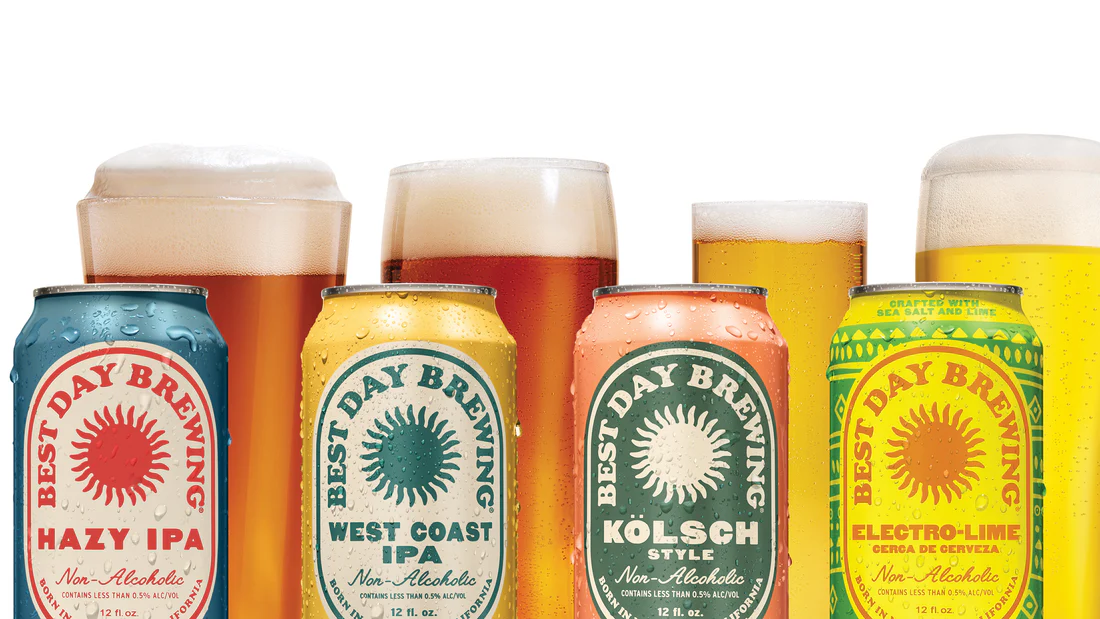
cans line up

🍺 The Rise of Days Beer: A Mindful Twist on a Classic Ritual For many, beer marks their first sip into the world of alcohol.

Recently though, the market has been bubbling with fruit beer alternatives beverages that resemble beer in look and feel but come with zero alcohol.

This shift has been largely fueled by younger consumers rethinking their relationship with alcohol, even as they continue reaching for a beer during social moments.

Enter Days Beer a UK-based alcohol-free beer company founded in 2020 by Mike Gammell and Duncan Keith.

Riding the Mindful Drinking Wave
At the heart of Days Beer lies a powerful cultural undercurrent: the mindful drinking movement.

Brewed in Scotland with locally sourced ingredients, Days doesn’t try to mimic beer by being watered-down it is beer, just without the alcohol or hangover.

The brand is built around guilt-free indulgence, offering the full experience taste, ritual, and vibe without any negative aftereffects.

So how did Days carve out a strong presence in a market dominated by old-school giants and skeptical consumers?

Let’s dive in.

Branding That Sticks The core insight behind Days:  you shouldn’t have to choose between your health and having a beer.

Mike and Duncan set out to create a brand that delivers the full beer experience from the taste and ritual to the satisfaction without alcohol.

What makes them stand out is their authenticity. The founders made their own personalities a part of the brand from day one, giving it a human, relatable feel.

And there’s zero pretension here. Days isn’t trying to be a fancy craft beer, it’s just a smart, clean alternative that fits seamlessly into real lives.

Importantly, the brand isn’t just for sober folks or for “Dry January.” It’s designed to blend into everyday routines without disrupting them.

Psychology-Driven Positioning Where traditional alcohol brands promote escapism, Days flips the narrative it’s about enhancing your life.

They also walk the talk B-Corp certified, with 2% of profits donated to mental health initiatives through their “Days Duty” program.

Who’s Drinking Days?
Their main consumer base? Health-conscious Millennials and Gen Z.

These are people who read nutrition labels, track their steps, and are tuned into their mental well-being.

Many fall into the “sober curious” camp experimenting with reducing alcohol intake without giving it up completely.

You’ll also find athletes, creatives, wellness enthusiasts, and productivity-focused professionals in their tribe.

For some, it’s about improving sleep or avoiding the post-drink blues. For others, it’s about clarity and hitting personal milestones.

Days doesn’t preach sobriety it offers a smarter alternative, giving people room to explore their own reasons for cutting back, including that all-too-familiar “hangxiety.”

Facing the Competition
Days is up against names like Beneficial Beer, Nirvana Brewery, and Beavertown Brewery, along with industry giants like Northern Monk, and Heineken’s alcohol-free line.


Here’s how they stack up:

Aspect

Days Brewing

Competitors (e.g. Northern Monk)

Leaders (Heineken, AB InBev)

Market Position

Fastest growing low/no-alcohol brand in the UK

Established low-alcohol products

Broad portfolio, global presence

Growth Rate

160% retail sales growth in 2024

Lower growth rates

Stable growth, focused on volume

Distribution

Major UK supermarkets + Majestic

Supermarkets & pubs

Extensive international distribution

Marketing

Viral TikTok, witty OOH campaigns

Traditional & digital marketing

Massive budgets, broad reach

Products

0.0% Pale Ale & Lager with premium ingredients

Varied alcohol-free beers

Wide range with alcohol-free options

Brand Values

B-Corp certified, mental health focus

Varies

CSR programs

The Marketing Mix

Product:

Days founders spent a year refining a 0.0% alcohol beer using traditional methods. The final product uses premium barley and fresh water from the Lammermuir Hills. The flavor profiles include Pale Ale and Lager, both available in cans and bottles and yes, they fit into a pint glass, preserving the familiar ritual.

Price:

Days leans premium, focusing on value through quality and connection rather than undercutting competition. Pricing adjusts slightly by setting sharp but premium prices in supermarkets and online, a bit higher in pubs and bars.

Place:

Their omnichannel distribution includes their website, Amazon, and a subscription model with a 20% lifetime discount. They partner with Huboo for fulfillment and have strong retail visibility with Tesco, Ocado, and even Wagamama. Their Majestic Wine partnership (200+ stores) especially pushes their Pale Ale.

This smart retail network helped Days drive a 160% YoY sales increase in 2024.

Viral Content = Real Sales

Social Media

Days nailed TikTok.

Rather than just being there, they blended in while standing out with relatable content, authentic storytelling, and no salesy fluff.

They brought founders and employees into the spotlight, creating a human connection.

When the #TubeGirl trend exploded, Days asked followers if they wanted to see the founders do it. When they did, it blew up:

20M+ views


53K+ new followers


432% spike in website traffic


Best-ever sales week at Tesco


All from a single viral video.


OOH (Out-of-Home)

Dry January is prime time but highly competitive.

Days went all-in with 31 unique messages one for each day across taxis, buses, tube stops, and digital screens throughout the UK.

Their central message?

“There are loads of reasons not to drink alcohol, but no reason not to drink beer.”

Emily Jeffery-Barret, Co-Founder, Among Equals

Final Thoughts: Why Days Wins

Days isn’t just selling a product, it’s selling a mindset.

In a category long ruled by legacy names and booze-fueled rituals, they’ve carved out a new path one powered by empathy, cultural awareness, and some seriously clever marketing.

 Key Takeaways (Screenshot This!)

  •  Lean into cultural shifts, not just demographics

  •  Build authenticity by spotlighting your team

  • Jump on viral trends fast (hello, TikTok!)

  •  Position the product around life moments, not just parties

  •  Sell satisfaction, not sobriety