
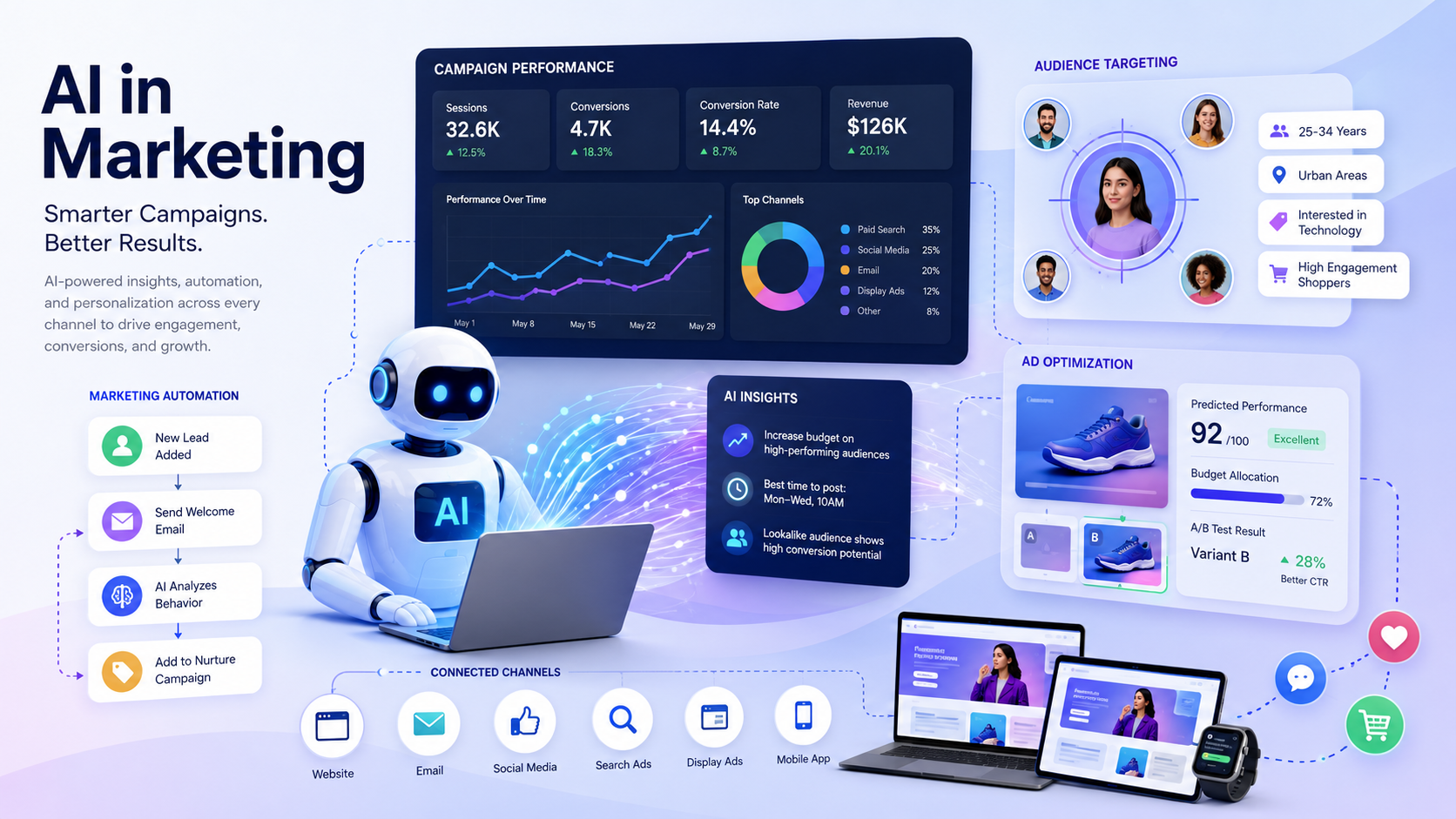
In the rapidly evolving landscape of marketing, the integration of artificial intelligence (AI) is reshaping strategies and redefining success metrics for brands. With major industry events like Google I/O and Google Marketing Live on the horizon, marketers are keenly aware that the next few days could fundamentally alter how AI is leveraged in search and advertising. The excitement surrounding these updates underscores the importance of adapting to technological advancements that are not just novelties but essential tools for driving business growth.
As AI continues to permeate various facets of marketing, brands must navigate the complexities of implementation and optimization. The recent developments from key players such as Google and Netflix demonstrate that the future of advertising is not only about deploying AI tools but also about ensuring they work effectively within existing frameworks and provide tangible results. This blog will explore the implications of these innovations and how they can inform strategic marketing decisions moving forward.
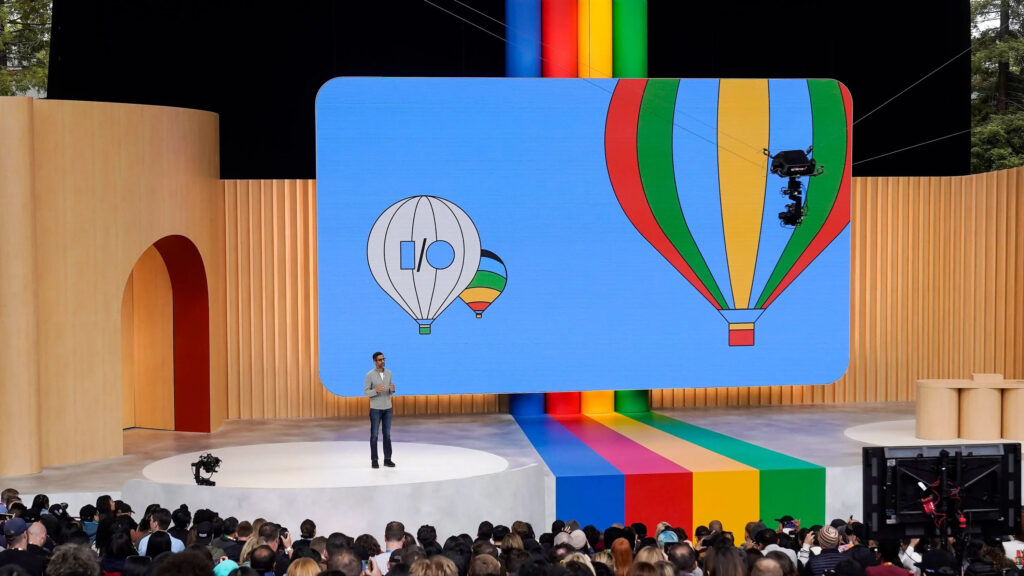
Google’s anticipated announcements during its I/O event signify a potential shift in how brands approach search engine optimization (SEO) and online visibility. With updates expected around AI Mode in Search and new advertising products linked to Gemini and YouTube, marketers must be prepared to adapt their strategies. The introduction of AI-driven features may change the landscape of organic traffic, pushing brands to rethink their approach to content creation and search visibility.
For marketers, this means staying informed and agile. As AI becomes a default operating mode for search, brands that prioritize high-quality content and user experience will likely see better engagement and visibility. The implications extend beyond mere visibility; they signal a need for deeper consumer understanding and the ability to respond swiftly to changes in search algorithms and user behavior. Building a proactive content strategy that anticipates these changes will be crucial for maintaining a competitive edge.

Netflix is pioneering the use of AI agents to manage and optimize its advertising campaigns, marking a significant evolution in how media buying is approached. By leveraging AI to automate ad management, Netflix can enhance its ad offerings, ensuring that they are not just a means of revenue generation but also a tool for providing personalized viewer experiences. This shift highlights the growing necessity for marketers to embrace automation and AI analytics in their advertising strategies.
The adaptation of AI in ad management allows for real-time optimization based on viewer data, which can significantly improve ad performance. For marketers, this means rethinking how they design campaigns. Instead of static ad placements, there is an opportunity to create dynamic ads that adapt to viewer preferences and behaviors. The challenge lies in integrating these AI capabilities into existing marketing frameworks while ensuring that creative strategies remain at the forefront of campaign development.
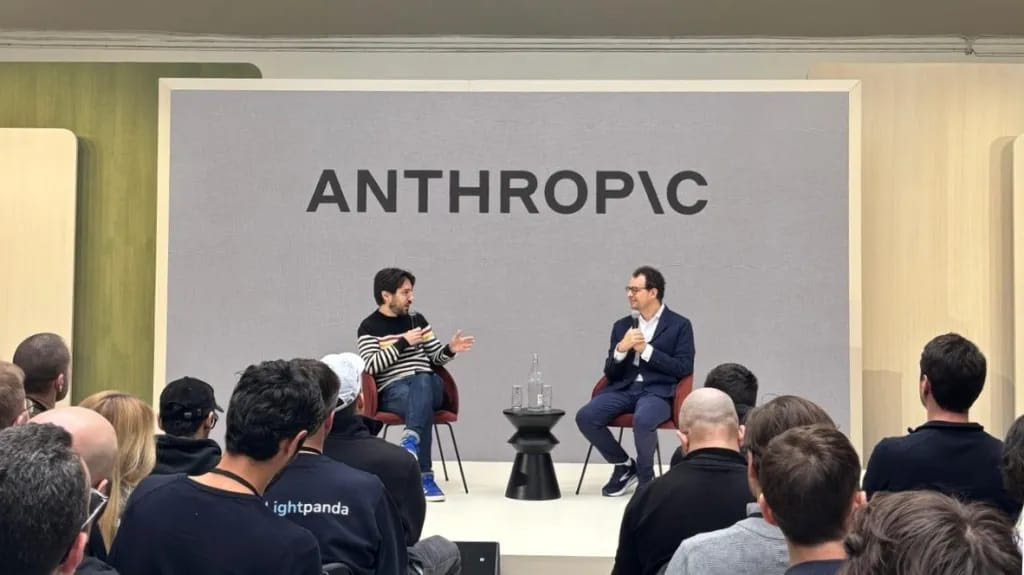
Anthropic’s recent advancements in enterprise AI have positioned it as a key player in the marketing technology landscape, outpacing competitors like OpenAI. This shift in enterprise AI adoption reflects a broader trend where businesses are increasingly investing in AI to enhance operational efficiency and marketing effectiveness. The rapid growth of AI tools designed for enterprise use underscores the need for marketers to be adept in both technology and strategy.
The implications for marketers are profound. As enterprise AI solutions become more prevalent, the ability to integrate these tools into marketing workflows will define future success. Marketers must prioritize understanding how AI can streamline processes such as customer segmentation, predictive analytics, and content personalization. The focus should be on creating a synergistic relationship between technology and marketing strategies to drive business outcomes.
Learning from Domino’s Radical Marketing Strategy
Domino’s has become a case study in how transparency and technology can transform a brand’s image and drive growth. By openly addressing customer criticisms and involving them in the rebranding process, Domino’s not only repaired its reputation but also established a loyal customer base. The use of technology to enhance customer experience—through seamless ordering channels and a user-friendly loyalty program, demonstrates the importance of adaptability in marketing.
For marketers, the lessons from Domino’s are clear: embrace transparency, leverage technology, and create meaningful customer engagement. Brands that can identify weaknesses and proactively address them through innovative solutions will foster trust and loyalty. This approach not only improves customer relationships but also drives long-term growth by turning customers into advocates for the brand.
The Future of Marketing: Integrating AI for Sustainable Growth
As AI continues to evolve, its integration into marketing strategies will be essential for sustainable growth. The recent innovations from industry leaders illustrate that the future is not just about adopting new technologies but also about understanding their implications for consumer behavior and brand engagement. Marketers must cultivate a mindset that values data-driven decision-making and agility in the face of rapid technological change.
Additionally, brands should focus on building first-party data assets through innovative campaigns that tie engagement to loyalty programs. By creating pathways for consumers to become active participants in brand narratives, marketers can enhance customer lifetime value and create more robust relationships.
From my perspective as a marketing professional focused on analytics, performance marketing, and brand strategy, the integration of AI into marketing frameworks is not merely a trend; it is a necessity. Marketers, agencies, and businesses must prioritize understanding how to leverage these technologies to enhance decision-making and optimize performance. The lessons learned from recent innovations provide a roadmap for navigating this complex landscape, emphasizing the importance of agility, transparency, and customer-centric strategies. Every marketer should view AI as an ally in their quest for consumer insights and operational efficiency, ensuring that they are positioned to thrive in an increasingly competitive environment.
FINAL TAKEAWAY:
The convergence of AI and marketing is set to redefine the industry in profound ways. As demonstrated by the advancements from Google, Netflix, Anthropic, and Domino’s, the future of marketing lies in the ability to adapt to new technologies while maintaining a strong focus on consumer engagement and brand loyalty. Marketers who embrace these changes and integrate AI thoughtfully into their strategies will not only enhance their effectiveness but also establish themselves as leaders in the digital marketing landscape. The time to act is now; the future of marketing is upon us, and those who are prepared will reap the rewards.