Netflix’s Data-Driven Marketing Strategy.​

movie poster grid

Personalization 

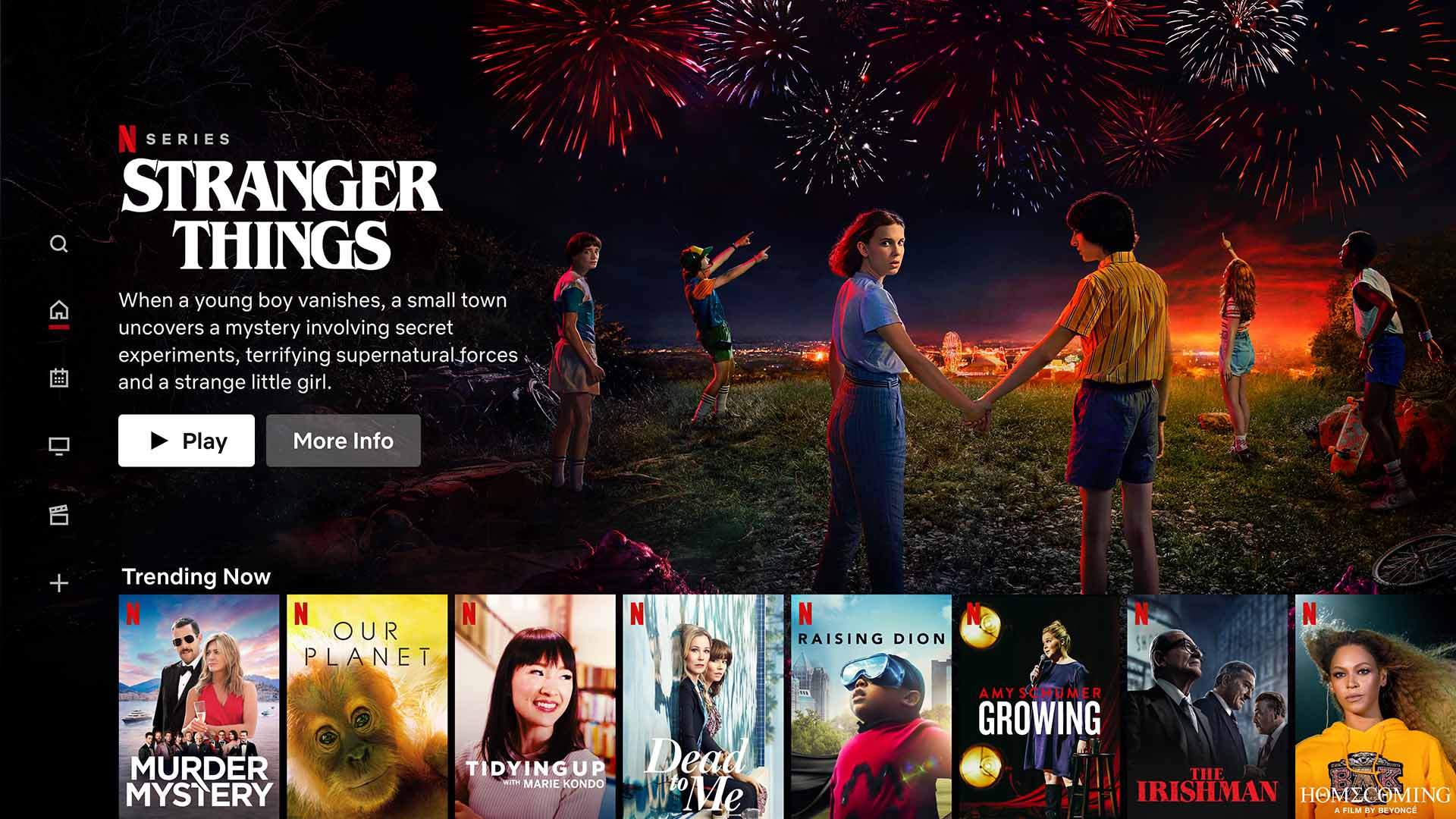
Netflix uses data to personalize recommendations for each user, enhancing user engagement and increasing subscription retention. By analyzing viewing habits, Netflix customizes the homepage of each user with shows and movies tailored to their preferences, based on the content they’ve watched before, ratings, and the genre of content they consume.

A/B Testing

Netflix is known for running thousands of A/B tests every year. They test different elements of the user experience, from thumbnails for movies and shows to changes in the user interface, to see which variations lead to higher engagement. This helps them constantly improve their platform’s user experience.

Content Creation

Beyond marketing, Netflix uses data to inform its content strategy. The platform analyzes viewing trends, including which genres are the most popular and what time of day people are watching. This data helps Netflix decide what content to commission and which shows or movies are worth investing in. For example, they used data to create and promote House of Cards, which was a massive success.

Marketing Campaigns 

Netflix also uses data for creating targeted marketing campaigns. They segment their audience based on their preferences, watching behaviors, and even geographic locations. For instance, they might use specific content to target users in different regions, or they can promote shows based on popular viewing times or trending topics.

Success Story

Netflix’s use of data in marketing and content creation has been one of the key factors in its global success. With over 200 million subscribers, Netflix has set a standard for how brands can leverage data to enhance customer satisfaction, optimize marketing strategies, and grow their business. Their ability to personalize the viewer experience has played a critical role in building a loyal customer base and ensuring they remain one of the leaders in the streaming space.

Netflix’s approach showcases how data is not only crucial for understanding consumer behavior but also vital for creating better products and experiences, leading to sustained business growth.
How Brand Identity Transformed a Struggling Startup into a Global Giant.


In 2007, two roommates, Brian Chesky and Joe Gebbia, were struggling to pay rent in San Francisco. With a design conference coming to town and hotels fully booked, they had an idea—why not rent out air mattresses in their apartment to visitors? They called it “Air Bed & Breakfast”, offering a place to sleep and homemade breakfast.

The idea worked, and they saw potential. But in the early years, Airbnb struggled to gain traction. People didn’t trust the idea of staying in a stranger’s home, and the company lacked a clear brand identity to differentiate itself from hotels and other rental services.

The Identity Crisis: Who Was Airbnb?
At first, Airbnb marketed itself as a cheap alternative to hotels, focusing only on affordability. However, this approach wasn’t enough to win over users. The company lacked a strong visual identity, brand story, and emotional connection with its audience.

The Turning Point: Building a Brand Around “Belonging”
In 2014, Airbnb underwent a massive rebranding. Instead of just being about renting rooms, they positioned themselves around a deeper emotional concept—“Belong Anywhere.”

Here’s how Airbnb built its strong brand identity:

A Clear Mission & Emotional Connection

They shifted from just being a rental platform to a community-driven experience.
Their brand focused on travelers connecting with locals, making them feel at home anywhere in the world.
A Unique and Recognizable Logo – The “Bélo” Symbol

Airbnb introduced the Bélo logo, symbolizing Belonging, People, Places, and Love.
It was simple, memorable, and adaptable to different cultures.


A Strong Storytelling Approach:

Airbnb began sharing real host and guest stories through their website, ads, and social media.
This helped build trust and made the brand feel more personal.
Consistent Visual & Marketing Strategy

They used warm, inviting colors and real user-generated images instead of stock photos.
Their messaging focused on experiences over transactions, making Airbnb feel more than just a booking service.


The Result: A Global Hospitality Brand
With this strong brand identity, Airbnb grew rapidly. People no longer saw it as just an alternative to hotels—it became a cultural movement. Today, Airbnb is valued at over $100 billion, operating in 220+ countries with millions of hosts and guests worldwide.

Lesson from Airbnb’s Brand Identity Success
A strong brand identity isn’t just about a logo—it’s about the emotions and experiences tied to your brand.
People connect with brands that have a clear mission and storytelling approach.
Consistency in messaging, visuals, and experience builds trust and recognition.

This transformation proves that a brand identity can turn a struggling startup into a global powerhouse.

The Ultimate Meta Ads Strategy for Maximum Conversions in 2025

1. Use the Power of the "Engagement Warm-Up" Strategy

If you’re running Meta Ads (Facebook & Instagram Ads) and not seeing the results you want, it’s time to tweak your approach. After running multiple campaigns and analyzing performance, I’ve found a game-changing strategy that can improve your conversion rates and reduce wasted ad spend. Let’s dive in!

A big mistake advertisers make is going straight for conversions without warming up their audience. That’s like proposing on the first date! Instead, try this two-phase strategy:

Phase 1: Engagement & Brand Awareness

  • Run Video View or Engagement Ads targeting a broad audience.
  • Create engaging content—short-form videos (Reels, Stories), carousel posts, or interactive polls.
  • Optimize for engagement (likes, shares, comments) to build a warm audience.

Phase 2: Retargeting for Conversions

  • Now, run conversion-focused ads targeting only those who engaged with your first phase.
  • Use compelling ad creatives (test UGC-style videos, testimonials, or carousel ads).
  • Offer a strong CTA (discounts, free trials, lead magnets).

Why It Works:
Instead of targeting cold audiences and wasting ad spend, you’re now focusing on people already familiar with your brand, leading to higher conversions and lower CPC.

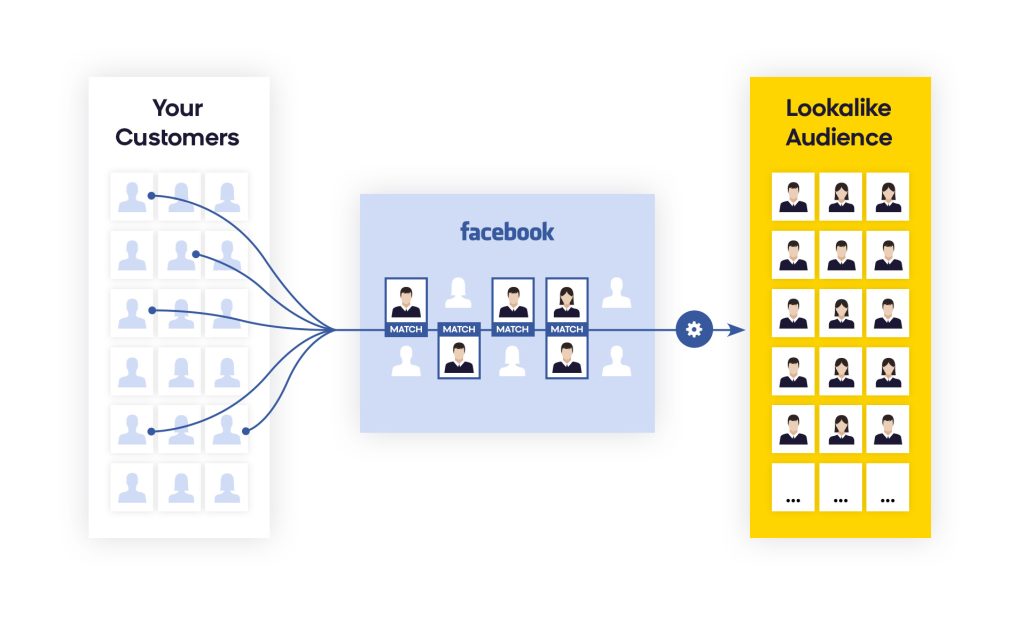
2. Leverage Lookalike Audiences from High-Intent Users

One of Meta’s most powerful tools is Lookalike Audiences—but not all lookalikes are created equal! Instead of using a general customer list, try this:

Create a Lookalike Audience from High-Intent Users, such as:

  • People who added to cart but didn’t purchase.
  • People who spent the most time on your landing page.
  • People who watched 75% of your video ad.                                        

Why It Works:

These users already show high buying intent, and Meta finds similar people to target, making your ads more efficient and profitable.


3. Optimize for Mobile & Leverage Facebook’s Advantage+ Placements

Most people scroll Meta apps on their phones, so if your ads aren’t optimized for mobile, you’re losing conversions. Here’s how to fix it:

  • Use vertical ad creatives (9:16) for Stories & Reels.
  • Enable Facebook’s “Advantage+ Placements” to let Meta optimize for the best-performing placements.
  • Keep your ad copy short & compelling—focus on benefits, not just features.

Why It Works:


With 90% of Facebook & Instagram users on mobile, optimizing for mobile ensures higher engagement and lower ad costs.


Final Thoughts

Meta Ads can be incredibly powerful when executed correctly. Instead of wasting money on broad targeting, use the Engagement Warm-Up Strategy, high-intent Lookalike Audiences, and mobile optimization to improve performance.

Integration of Artificial Intelligence in Personalized Marketing.​

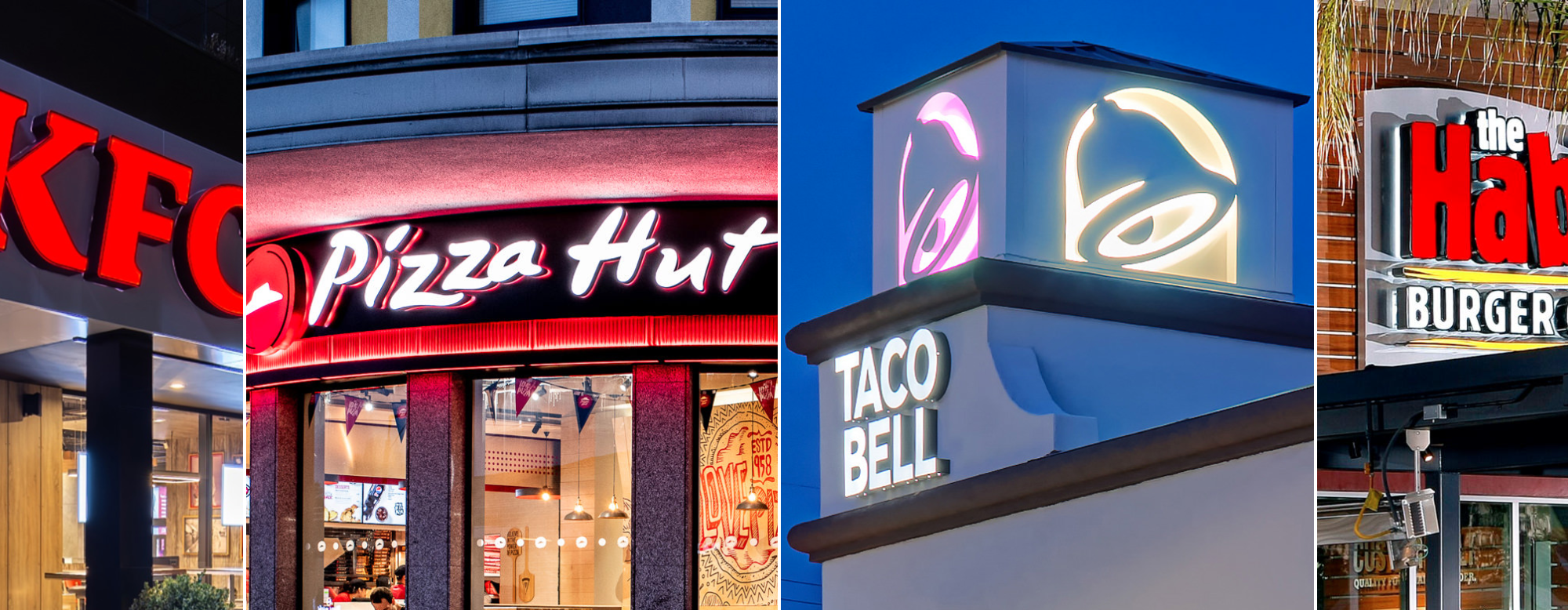
Companies are increasingly leveraging AI to enhance customer engagement through personalized marketing campaigns. For instance, Yum Brands, the parent company of Taco Bell, Pizza Hut, and KFC, has reported significant improvements in customer engagement and purchases by utilizing AI-driven personalized marketing. Their approach includes delivering customized emails tailored to individual preferences, resulting in double-digit increases in engagement compared to traditional methods.

Adoption of AI and Data-Driven Strategies in Advertising.

The advertising industry is undergoing a significant transformation with the integration of data analytics and AI. A notable example is the $30 billion merger between Omnicom Group and Interpublic Group, aiming to create the world’s largest advertising business focused on data and AI-driven strategies. This shift emphasizes personalized and efficient ad creation, challenging traditional creative approaches and highlighting the growing importance of technological innovation in marketing.

Utilizing Social Media Features for Enhanced Customer Engagement.

Brands are exploring new social media tools to connect with their audiences more effectively. During fashion events, companies like Moda Operandi have utilized Instagram’s broadcast channels to provide real-time insider coverage, attracting thousands of followers. This strategy offers exclusive content, conducts polls, gathers customer feedback, and fosters a sense of community among audiences, thereby enhancing customer engagement and loyalty.