
How Brand Identity Transformed a Struggling Startup into a Global Giant.


In 2007, two roommates, Brian Chesky and Joe Gebbia, were struggling to pay rent in San Francisco. With a design conference coming to town and hotels fully booked, they had an idea—why not rent out air mattresses in their apartment to visitors? They called it “Air Bed & Breakfast”, offering a place to sleep and homemade breakfast.

The idea worked, and they saw potential. But in the early years, Airbnb struggled to gain traction. People didn’t trust the idea of staying in a stranger’s home, and the company lacked a clear brand identity to differentiate itself from hotels and other rental services.

The Identity Crisis: Who Was Airbnb?
At first, Airbnb marketed itself as a cheap alternative to hotels, focusing only on affordability. However, this approach wasn’t enough to win over users. The company lacked a strong visual identity, brand story, and emotional connection with its audience.

The Turning Point: Building a Brand Around “Belonging”
In 2014, Airbnb underwent a massive rebranding. Instead of just being about renting rooms, they positioned themselves around a deeper emotional concept—“Belong Anywhere.”

Here’s how Airbnb built its strong brand identity:

A Clear Mission & Emotional Connection

They shifted from just being a rental platform to a community-driven experience.
Their brand focused on travelers connecting with locals, making them feel at home anywhere in the world.
A Unique and Recognizable Logo – The “Bélo” Symbol

Airbnb introduced the Bélo logo, symbolizing Belonging, People, Places, and Love.
It was simple, memorable, and adaptable to different cultures.


A Strong Storytelling Approach:

Airbnb began sharing real host and guest stories through their website, ads, and social media.
This helped build trust and made the brand feel more personal.
Consistent Visual & Marketing Strategy

They used warm, inviting colors and real user-generated images instead of stock photos.
Their messaging focused on experiences over transactions, making Airbnb feel more than just a booking service.


The Result: A Global Hospitality Brand
With this strong brand identity, Airbnb grew rapidly. People no longer saw it as just an alternative to hotels—it became a cultural movement. Today, Airbnb is valued at over $100 billion, operating in 220+ countries with millions of hosts and guests worldwide.

Lesson from Airbnb’s Brand Identity Success
A strong brand identity isn’t just about a logo—it’s about the emotions and experiences tied to your brand.
People connect with brands that have a clear mission and storytelling approach.
Consistency in messaging, visuals, and experience builds trust and recognition.

This transformation proves that a brand identity can turn a struggling startup into a global powerhouse.

The Ultimate Meta Ads Strategy for Maximum Conversions in 2025

1. Use the Power of the "Engagement Warm-Up" Strategy

If you’re running Meta Ads (Facebook & Instagram Ads) and not seeing the results you want, it’s time to tweak your approach. After running multiple campaigns and analyzing performance, I’ve found a game-changing strategy that can improve your conversion rates and reduce wasted ad spend. Let’s dive in!

A big mistake advertisers make is going straight for conversions without warming up their audience. That’s like proposing on the first date! Instead, try this two-phase strategy:

Phase 1: Engagement & Brand Awareness

  • Run Video View or Engagement Ads targeting a broad audience.
  • Create engaging content—short-form videos (Reels, Stories), carousel posts, or interactive polls.
  • Optimize for engagement (likes, shares, comments) to build a warm audience.

Phase 2: Retargeting for Conversions

  • Now, run conversion-focused ads targeting only those who engaged with your first phase.
  • Use compelling ad creatives (test UGC-style videos, testimonials, or carousel ads).
  • Offer a strong CTA (discounts, free trials, lead magnets).

Why It Works:
Instead of targeting cold audiences and wasting ad spend, you’re now focusing on people already familiar with your brand, leading to higher conversions and lower CPC.

2. Leverage Lookalike Audiences from High-Intent Users

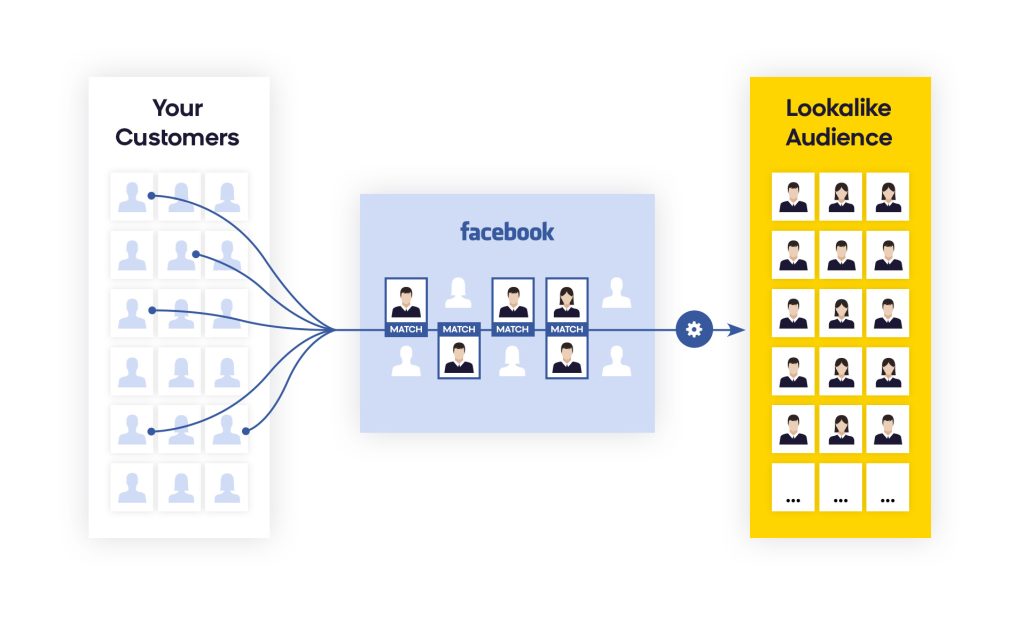
One of Meta’s most powerful tools is Lookalike Audiences—but not all lookalikes are created equal! Instead of using a general customer list, try this:

Create a Lookalike Audience from High-Intent Users, such as:

  • People who added to cart but didn’t purchase.
  • People who spent the most time on your landing page.
  • People who watched 75% of your video ad.                                        

Why It Works:

These users already show high buying intent, and Meta finds similar people to target, making your ads more efficient and profitable.


3. Optimize for Mobile & Leverage Facebook’s Advantage+ Placements

Most people scroll Meta apps on their phones, so if your ads aren’t optimized for mobile, you’re losing conversions. Here’s how to fix it:

  • Use vertical ad creatives (9:16) for Stories & Reels.
  • Enable Facebook’s “Advantage+ Placements” to let Meta optimize for the best-performing placements.
  • Keep your ad copy short & compelling—focus on benefits, not just features.

Why It Works:


With 90% of Facebook & Instagram users on mobile, optimizing for mobile ensures higher engagement and lower ad costs.


Final Thoughts

Meta Ads can be incredibly powerful when executed correctly. Instead of wasting money on broad targeting, use the Engagement Warm-Up Strategy, high-intent Lookalike Audiences, and mobile optimization to improve performance.

Integration of Artificial Intelligence in Personalized Marketing.​

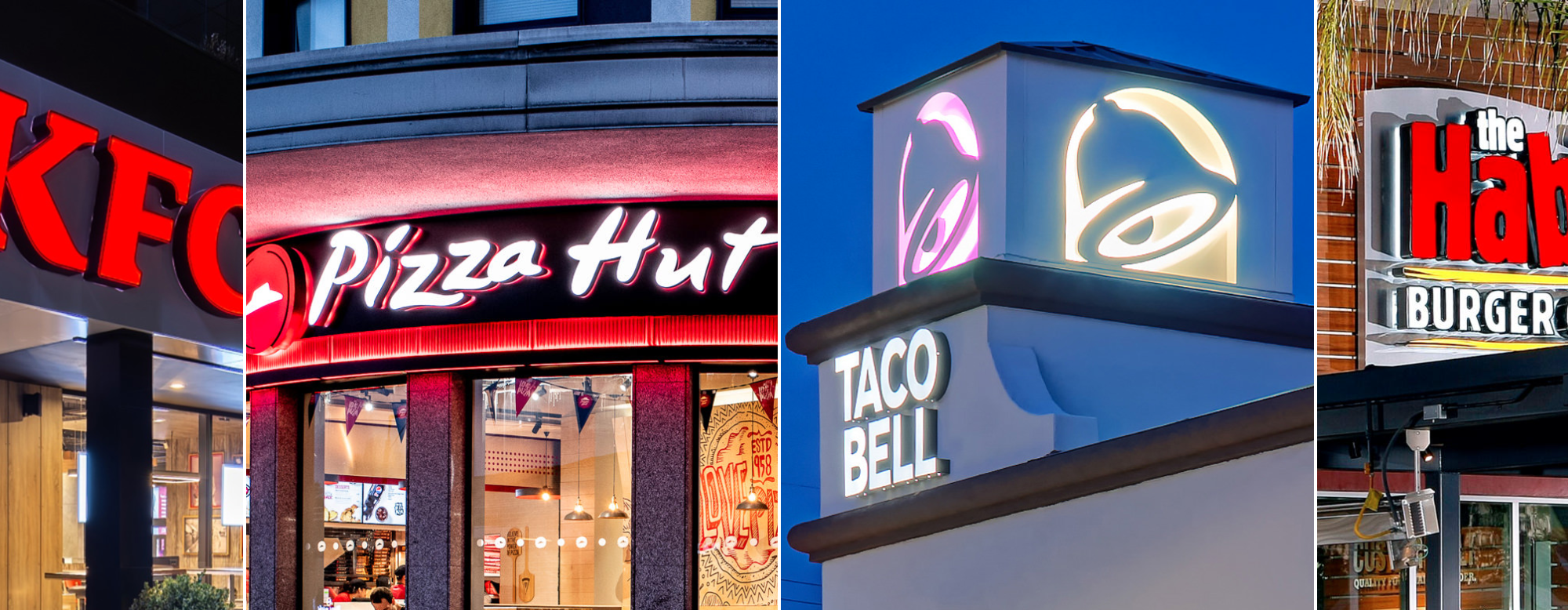
Companies are increasingly leveraging AI to enhance customer engagement through personalized marketing campaigns. For instance, Yum Brands, the parent company of Taco Bell, Pizza Hut, and KFC, has reported significant improvements in customer engagement and purchases by utilizing AI-driven personalized marketing. Their approach includes delivering customized emails tailored to individual preferences, resulting in double-digit increases in engagement compared to traditional methods.

Adoption of AI and Data-Driven Strategies in Advertising.

The advertising industry is undergoing a significant transformation with the integration of data analytics and AI. A notable example is the $30 billion merger between Omnicom Group and Interpublic Group, aiming to create the world’s largest advertising business focused on data and AI-driven strategies. This shift emphasizes personalized and efficient ad creation, challenging traditional creative approaches and highlighting the growing importance of technological innovation in marketing.

Utilizing Social Media Features for Enhanced Customer Engagement.

Brands are exploring new social media tools to connect with their audiences more effectively. During fashion events, companies like Moda Operandi have utilized Instagram’s broadcast channels to provide real-time insider coverage, attracting thousands of followers. This strategy offers exclusive content, conducts polls, gathers customer feedback, and fosters a sense of community among audiences, thereby enhancing customer engagement and loyalty.

The Power of Micro-Habits in Transforming Your Marketing Strategy

Hey Marketers!!


In the fast-paced world of marketing, we often chase big wins and viral campaigns. However, true, sustainable growth doesn’t come from occasional breakthroughs—it comes from the consistent execution of small, strategic actions. This blog explores how micro-habits can revolutionize your marketing efforts, driving lasting results over time.

1. The Compounding Effect of Small Actions
Think of marketing like compound interest. Small, daily improvements in your campaigns, content creation, or engagement strategies accumulate, leading to exponential growth. Instead of trying to overhaul your strategy overnight, focus on making 1% improvements each day.

Example:
Optimizing one ad copy daily instead of reworking an entire campaign.
Tweaking website CTAs regularly for better conversion rates.
Refining SEO keywords weekly to enhance website visibility.
Adjusting social media captions for improved engagement.

Why It Works:
Micro-actions reduce the pressure of achieving perfection in one go. They create momentum, build confidence, and allow for continuous learning and adaptation.

2. Creating Effective Marketing Habits
To embed productive habits into your marketing workflow, follow these principles:

  • Define specific, measurable goals and place them where they’re easily noticeable. Utilize visual tools like progress trackers or KPI dashboards to keep your objectives front and center. For example, create a daily checklist for your content calendar or set reminders for campaign reviews.
  • Link marketing tasks to meaningful incentives, such as recognizing team efforts or showcasing achievements to boost motivation and morale. Gamify your tasks with small rewards for completing key activities.
  • Break down large projects into manageable tasks, such as drafting one paragraph of content each day or setting aside 10 minutes to analyze campaign metrics.
  •  Analyze performance regularly to see tangible progress, reinforcing the habit loop. Celebrate small wins like hitting weekly engagement targets or achieving higher click-through rates.

3. Identity-Based Marketing Strategies
Rather than focusing solely on goals (like gaining 10,000 followers), shift towards identity-driven strategies. Think, “We are a brand that values authentic engagement” instead of just “We need more likes.” This mindset fosters consistency and purpose in your marketing efforts.

How to Apply This:
Craft brand messaging that reflects your core values.
Engage with your audience genuinely, not just for metrics.
Focus on building a community rather than just growing numbers.

4. Practical Micro-Habits for Marketers
Spend 5 minutes daily engaging with your audience on social media by replying to comments or messages.
Read one marketing article or case study every morning to stay updated on industry trends.
A/B test one element of your ad or email weekly, such as subject lines or images.
Review campaign analytics briefly each day to identify trends and adjust strategies.
Schedule 10 minutes each week to brainstorm new content ideas.

5. Tracking Progress and Adjusting
Use marketing analytics tools to measure the impact of your micro-habits. Consistent tracking helps refine strategies, ensuring that small changes lead to big results.

Tools You Can Use:
Google Analytics for website performance insights.
Social media analytics dashboards to monitor engagement.
Project management tools like Trello or Asana to track daily tasks.

“Big marketing wins are often the result of tiny, consistent efforts made over time. By incorporating micro-habits into your strategy, you’ll build a strong foundation for sustainable growth, improved engagement, and long-term success. Start small, stay consistent, and watch your marketing efforts transform”.

The Future of Social Media: Generative AI Automation

Generative AI for Automating Social Media Posts

Hi there! Welcome to Tech Nick Marketing's latest edition!

We highlight a fascinating advancement in digital marketing in this issue: Automated Social Media Posts using Generative AI.

The need for effective content development has increased as companies work to have an active social media presence. With the help of generative AI technologies, marketers can now automate their social media posts, increasing creativity and saving time. This is a detailed tutorial on automating the publication of material on social networking sites.

Step 1: Select the Appropriate AI Tool

Choose a generative AI tool based on your requirements. Among the well-liked choices are:

Using the URL of your website and the topics you designate, Narrato AI Content Genie creates social media posts automatically. Every week, it may generate 20–25 pieces of content, replete with photographs and hashtags.

SocialBee: Provides an AI post generator that generates interesting content for several networks, making scheduling and publishing simple.

FeedHive: To maximize interaction, this technology not only creates content but also forecasts performance.

Step 2: Establish Your Content Plan

Describe your content plan before you start automating. Think about the following:

Who is the target audience that you are attempting to reach? Make sure your content speaks to them.

Content Types: Select the proportion of engagement-driven, instructional, and promotional articles.

Decide how frequently you would like to post. When it comes to social media marketing, consistency is crucial.

Step 3: Enter Your Settings

After deciding on a tool and formulating your plan, enter the required information:

Themes or Topics: Indicate the primary themes or subjects you wish to discuss in your postings.

Brand Voice: Make sure the AI can recognize the tone of your brand, whether it’s amusing, informal, or professional.

Visuals and Hashtags: A lot of programs have the ability to automatically provide pertinent photos and hashtags.

Step 4: Produce Content

Make use of the AI tool to create your content. Before posting, you may preview and change the material on the majority of sites. This is an important phase since it guarantees that the final product will be consistent with the identity of your brand.

Step 5: Arrange Your Content

Utilize the scheduling function of the tool of your choice after your postings are complete. By establishing distinct timings for every post to go live, you can maximize interaction by taking advantage of your audience’s peak activity.

Step 6: Observe and Modify

Use the platform’s statistics to track the effectiveness of your posts after they go live. Keep an eye out for engagement indicators like comments, shares, and favorites. Make future content plans better with the help of this data.

RPA: The Secret Sauce Behind Smarter Workflows and Better Analytics

Let’s be honest: no one loves spending their day slogging through repetitive tasks like data entry, invoice processing, or updating reports. It’s not just boring—it’s a waste of the kind of creativity and brainpower that could be better spent elsewhere. That’s where Robotic Process Automation (RPA) comes in.

RPA is like having a tireless assistant who takes care of all those mundane, rule-based tasks, leaving you and your team free to focus on the stuff that actually matters—like strategy, innovation, and solving complex problems. However, it’s important to note that RPA offers more than just speeding up tedious tasks. RPA is rapidly transforming the analytics industry.

What Exactly is RPA?
Think of RPA as your virtual workforce. It’s software designed to mimic human actions within other software applications. Need data pulled from one system and entered into another? RPA’s got it. Need invoices processed or forms filled out? Done and done. The best part?

  • It works 24/7.
  • It doesn’t make mistakes (seriously, none).
  • And it’s way faster than even your most caffeinated employee.

Why RPA and Analytics Are the Perfect Match

Now, here’s where it gets interesting. Although RPA effectively streamlines repetitive tasks, its true power lies in its ability to support analytics. Let’s break it down:

Cleaner, More Reliable Data
Nobody likes dealing with messy, error-ridden data. By automating processes like data entry and preparation, RPA minimizes mistakes and gives analysts high-quality, consistent data to work with.

Faster Insights
Waiting for data to be collected and prepped can feel like watching paint dry. With RPA, the data is ready to go when you are, so you can get to those “aha!” moments a whole lot quicker.

More Time for the Fun Stuff
Analysts often spend more time wrangling data than analyzing it. RPA reverses this trend by managing the tedious tasks, allowing analysts to focus on their passions: identifying patterns, resolving issues, and formulating more insightful recommendations.

It’s About More Than Efficiency
Sure, RPA makes processes faster and smoother. But its impact goes way beyond just “getting stuff done.”

Happier Employees: Let’s face it—no one signed up for their job dreaming of endless copy-paste tasks. RPA gives people the chance to do meaningful work, which makes everyone happier.
Room for Big Ideas: Free from the monotony of routine tasks, employees can focus on creativity and innovation—the kind of thinking that drives businesses forward.
Better Customer Service: By automating behind-the-scenes workflows, companies can deliver faster, more efficient services to customers.

RPA Isn’t Here to Replace Humans; It’s Here to Help Us Shine
There’s often this fear that automation means job losses, but that’s not the story with RPA. Instead, it’s about working smarter. By automating the routine, we unlock time and energy for people to do the work that only humans can—thinking, innovating, and connecting.

As RPA continues to evolve, its potential to transform not just analytics but the way businesses operate as a whole is massive. It’s not just a tool; it’s a way to reimagine how we work.

Curious to Learn More?
Here are a few resources to dive deeper:

What is Robotic Process Automation (RPA)? A Guide A great introduction to RPA from UiPath, one of the leaders in the field.

RPA and Analytics: Learn how IBM uses RPA to turbocharge analytics with automation.
The Impact of RPA on Business Operations McKinsey offers insights into how automation is reshaping industries and the workforce.

RPA isn’t just about doing things faster; it’s about making work more meaningful and impactful. So, the next time you’re stuck doing a repetitive task, just think: wouldn’t a robot be better at this?