
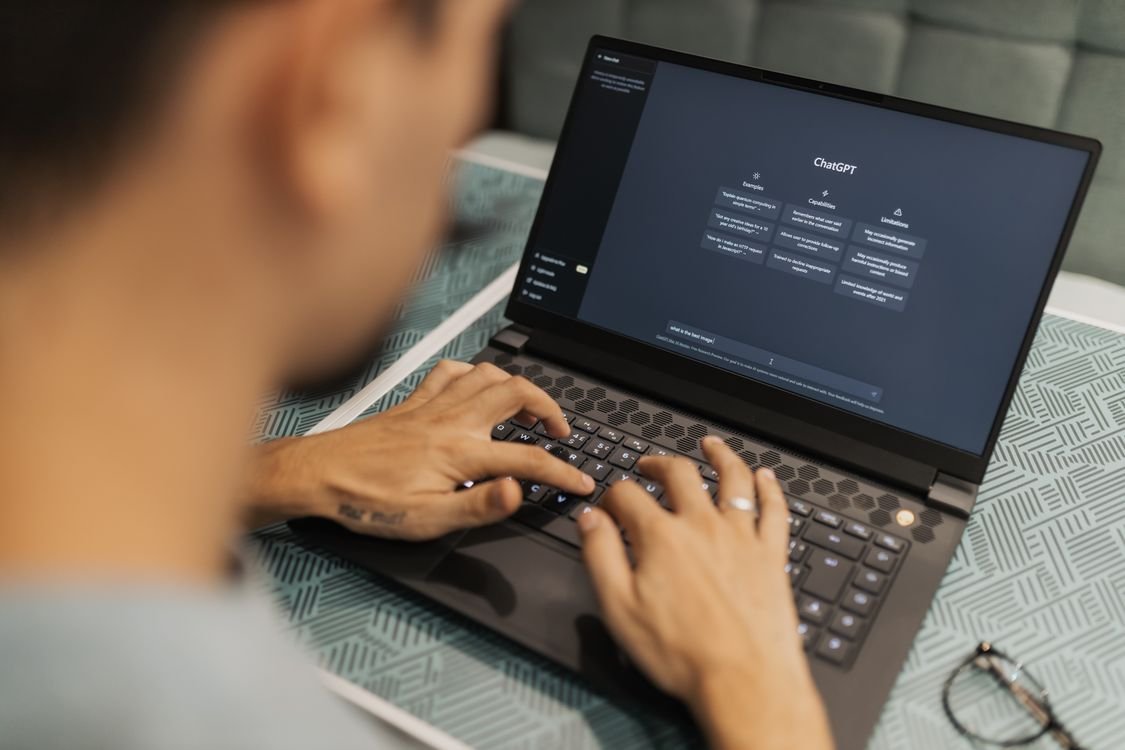
Advertising is coming to ChatGPT, and this time it looks different from anything on search or social. On October 5, 2026, OpenAI announced a new visual ad format that appears during image generation in ChatGPT, plus the biggest measurement upgrade in the short history of conversational advertising. Testing begins later this month in the United States with an initial group of advertisers.
Whether or not you plan to run ads there, this announcement is worth your attention. It shows how the next major ad platform is being built: with third-party measurement partners at launch, with explicit placement guardrails, and with a clear line drawn between ads and the AI’s answers. Here is what was announced, why the measurement story matters more than the ad format, and what marketers should do now.
What OpenAI Actually Announced
The core announcement is a visual ad format: image-based ads that show people products and services through product inspiration, product usage, or the experiences those products make possible. The idea is to help users discover a brand, understand what makes an offering distinctive, and decide what to buy, right in the flow of a conversation.
The initial test has specific limits. The format will appear during image generation in ChatGPT for users on the Free and Go plans, it will start later in October 2026 in the US, and it will run with an initial group of advertisers. Ads will be clearly labeled and remain separate from the image being created. OpenAI states explicitly that advertising does not influence the answers ChatGPT provides.
That scale claim is the context for everything else: OpenAI says ChatGPT now reaches 1.2 billion people each week, calling it the largest AI-native consumer platform in the world. That figure comes from OpenAI itself, not from an independent audit, so treat it as a company claim rather than a verified measurement. Even heavily discounted, it signals why advertisers and platforms alike are racing to define what advertising inside an AI conversation should look like.
How the Format Works
The most important design choice is where the ads sit. They appear during image generation, which means the user is in a creative, exploratory mindset, imagining possibilities, comparing options, deciding what something could look like. That is a different moment of intent than typing a search query or scrolling a feed. A person asking ChatGPT to visualize a redesigned living room is already thinking about products in a concrete, personal way. An ad for a couch brand shown in that moment is not interrupting the experience. It is participating in it.
OpenAI has built guardrails around placement. The announcement describes placement guardrails that assess whether a conversation is appropriate for advertising, with the goal of keeping ads out of emotionally vulnerable, sensitive, or otherwise unsuitable contexts. Automated review, human oversight, and ongoing monitoring are meant to catch policy violations. For brands with narrow placement requirements, a feature called Negative Phrases is now available to qualifying advertisers, letting them exclude specific topics or terms from their placements.
This is where the comparison with Google becomes instructive. As covered on this blog before, Google is also moving search ads into AI-generated answers (https://technickmarketing.com/google-is-moving-search-ads-into-ai-answers-and-that-changes-everything-for-marketers/), and Google’s AI Overview has created genuine brand-safety incidents (https://technickmarketing.com/when-ai-search-gets-it-wrong-why-googles-ai-overview-is-now-a-brand-safety-risk/). OpenAI appears to have learned from that entire category’s growing pains: the guardrails, the labeling, and the separation from answers are all answers to trust problems the industry has already seen.
Why Measurement Is the Real Story
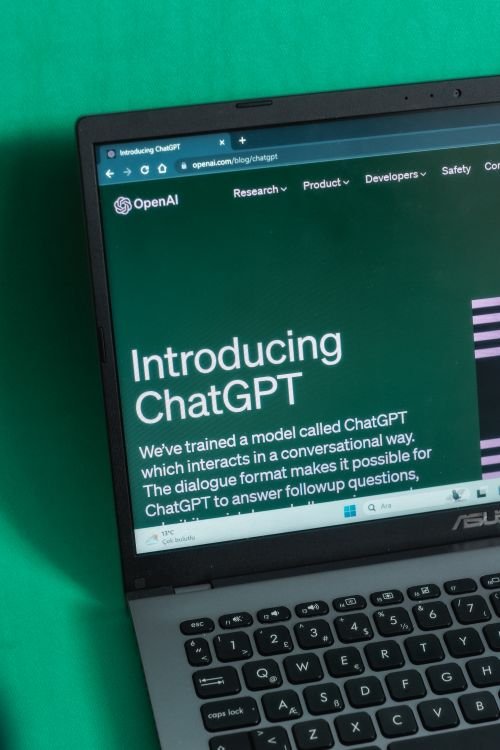
The ad format itself is a test. The measurement expansion is the structural change, and it is much bigger than one format.
OpenAI is clearly trying to avoid the complaint that has followed every new ad platform: “we have to trust your numbers.” The announcement reads like a direct response to that. Integrations with Hightouch, Tealium, and LiveRamp let advertisers send conversion data from their existing systems into ChatGPT Ads. Attribution coverage now spans web and app, with support for Conversions API, reporting, and click attribution through a long list of partners: AppsFlyer, Triple Whale, Adjust, DV Rockerbox, Northbeam, Branch, Singular, Kochava, Airbridge, and Tenjin. Full-funnel and advanced measurement partners include Fospha, Measured, and INCRMNTAL. For incrementality, OpenAI is piloting geo-based experiments with Haus, Measured, and WorkMagic to help advertisers understand causal impact, not just attributed conversions.

Then there is brand suitability. OpenAI is developing evaluation pilots with DoubleVerify and Integral Ad Science, the two biggest names in independent ad verification. The pilots let those partners assess how OpenAI’s brand safety standards are applied in a controlled testing environment, without accessing private user conversations. That last detail matters: the central tension of advertising inside a chatbot is that the ad environment is literally someone’s private conversation, and independent verification has to work without violating that privacy.
The early numbers OpenAI shared come from its partners, not from independent research, so read them as directional. According to DV Rockerbox, WeightWatchers saw attributed cost per acquisition on ChatGPT Ads 15.3 percent lower than its blended paid-search benchmark. WorkMagic reported statistically significant lift for wellness brand Dose, with 67 percent of incremental purchases coming from net-new customers. And according to Triple Whale, 93 percent of Portland Leather’s visitors from ChatGPT Ads were new visitors. The pattern across all three: new customers, incremental reach, favorable acquisition cost. Exactly what a new platform would want to show, which is precisely why the third-party partner names matter more than the percentages.
What Makes This Ad Surface Different
It is tempting to file this under “another place to buy media,” but conversational inventory has properties that search and social do not.
First, the intent is expressed in full sentences. A user does not type two keywords; they describe a situation, a goal, a constraint. That gives advertisers richer context and raises the bar for relevance at the same time.
Second, the moment of attention is active creation, not passive consumption. During image generation, the user is imagining outcomes. Visual ads fit that moment naturally in a way a text ad fits a search results page, because both the generation and the ad are visual and aspirational.
Third, the trust dynamic is different. People talk to ChatGPT the way they talk to a helpful assistant, which makes clear labeling and the hard separation between ads and answers load-bearing for the whole product. OpenAI seems to understand this: “advertising does not influence the answers ChatGPT provides” is a sentence the company needed to say out loud, and the brand-safety pilots exist because advertiser trust has to be earned separately from user trust.
What Marketers Should Do Now
You probably cannot buy these ads today unless you are in the initial test group, and the test is US-only on the Free and Go plans. But there is real preparation work worth doing now.
Start with measurement readiness. The partner list in this announcement is a signal about how OpenAI wants to be bought: through the systems advertisers already use. If your team runs on Triple Whale, Northbeam, Rockerbox, or an incrementality tool like Haus or Measured, you are closer to being ready than you think. Make sure your conversion data pipelines are clean, because a new platform is the worst time to discover your attribution is broken.
Next, think about creative for a visual, conversational context. These ads show products through inspiration and usage, next to AI-generated imagery. Creative that works in a static feed will not automatically work here. Start building a mental library of lifestyle and usage imagery, and pay attention to how the initial advertisers present themselves when the test goes live.
Plan your brand-safety posture. Conversational contexts will surface edge cases that keyword lists never imagined. If you advertise in sensitive categories, start drafting your Negative Phrases list now and decide who on your team owns placement review for AI platforms. The DV and IAS pilots are a good sign, but independent verification of chatbot ad environments is still brand new.
Finally, keep perspective on the numbers. The 1.2 billion weekly users, the 15.3 percent lower CPA, the 93 percent new visitors: these are OpenAI and partner claims, shared by a company selling the platform. They are reasons to test, not reasons to shift budget. The right move for most brands is to sign up for access at ads.openai.com, watch the test, and be ready to run a controlled experiment when inventory opens more broadly.
The Takeaway
Most new ad platforms launch the format first and figure out measurement and trust later, usually after advertisers complain loudly. OpenAI is doing it in the opposite order: a small format test, launched alongside an unusually complete measurement ecosystem and explicit guardrails. That sequencing tells you how OpenAI sees the risk. In a product where users share their private thoughts with an AI, trust is the inventory. Break it once and there is no second chance at the same scale.
For marketers, the lesson is not “buy ChatGPT ads now.” It is that conversational advertising is becoming a real, measurable channel, and the platforms that win it will be the ones that solve trust first. The advertisers who prepare their measurement, their creative, and their brand-safety playbooks while the test is small will be the ones ready when the test gets big.
Sources: OpenAI’s official announcement (https://openai.com/index/new-chatgpt-ads-format-and-measurement/), ghacks.net (https://www.ghacks.net/2026/10/06/openai-will-test-visual-ads-in-chatgpt-during-image-generation-in-the-us-later-this-month/), mixed-news.com (https://mixed-news.com/en/openai-chatgpt-visual-ads-image-generation-free-go-us-test/), completeaitraining.com (https://completeaitraining.com/news/openai-launches-visual-ads-in-chatgpt-during-image/).