
How Days Beer Tapped Into the Mindful Drinking Movement and Built a Bold, Authentic Brand.

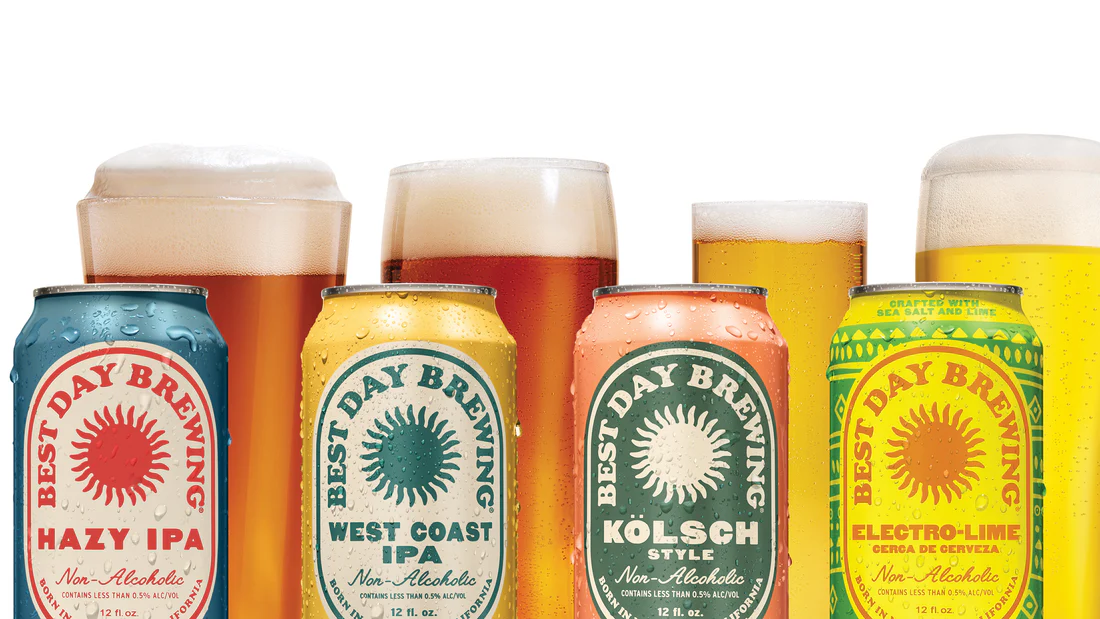
cans line up

🍺 The Rise of Days Beer: A Mindful Twist on a Classic Ritual For many, beer marks their first sip into the world of alcohol.

Recently though, the market has been bubbling with fruit beer alternatives beverages that resemble beer in look and feel but come with zero alcohol.

This shift has been largely fueled by younger consumers rethinking their relationship with alcohol, even as they continue reaching for a beer during social moments.

Enter Days Beer a UK-based alcohol-free beer company founded in 2020 by Mike Gammell and Duncan Keith.

Riding the Mindful Drinking Wave
At the heart of Days Beer lies a powerful cultural undercurrent: the mindful drinking movement.

Brewed in Scotland with locally sourced ingredients, Days doesn’t try to mimic beer by being watered-down it is beer, just without the alcohol or hangover.

The brand is built around guilt-free indulgence, offering the full experience taste, ritual, and vibe without any negative aftereffects.

So how did Days carve out a strong presence in a market dominated by old-school giants and skeptical consumers?

Let’s dive in.

Branding That Sticks The core insight behind Days:  you shouldn’t have to choose between your health and having a beer.

Mike and Duncan set out to create a brand that delivers the full beer experience from the taste and ritual to the satisfaction without alcohol.

What makes them stand out is their authenticity. The founders made their own personalities a part of the brand from day one, giving it a human, relatable feel.

And there’s zero pretension here. Days isn’t trying to be a fancy craft beer, it’s just a smart, clean alternative that fits seamlessly into real lives.

Importantly, the brand isn’t just for sober folks or for “Dry January.” It’s designed to blend into everyday routines without disrupting them.

Psychology-Driven Positioning Where traditional alcohol brands promote escapism, Days flips the narrative it’s about enhancing your life.

They also walk the talk B-Corp certified, with 2% of profits donated to mental health initiatives through their “Days Duty” program.

Who’s Drinking Days?
Their main consumer base? Health-conscious Millennials and Gen Z.

These are people who read nutrition labels, track their steps, and are tuned into their mental well-being.

Many fall into the “sober curious” camp experimenting with reducing alcohol intake without giving it up completely.

You’ll also find athletes, creatives, wellness enthusiasts, and productivity-focused professionals in their tribe.

For some, it’s about improving sleep or avoiding the post-drink blues. For others, it’s about clarity and hitting personal milestones.

Days doesn’t preach sobriety it offers a smarter alternative, giving people room to explore their own reasons for cutting back, including that all-too-familiar “hangxiety.”

Facing the Competition
Days is up against names like Beneficial Beer, Nirvana Brewery, and Beavertown Brewery, along with industry giants like Northern Monk, and Heineken’s alcohol-free line.


Here’s how they stack up:

Aspect

Days Brewing

Competitors (e.g. Northern Monk)

Leaders (Heineken, AB InBev)

Market Position

Fastest growing low/no-alcohol brand in the UK

Established low-alcohol products

Broad portfolio, global presence

Growth Rate

160% retail sales growth in 2024

Lower growth rates

Stable growth, focused on volume

Distribution

Major UK supermarkets + Majestic

Supermarkets & pubs

Extensive international distribution

Marketing

Viral TikTok, witty OOH campaigns

Traditional & digital marketing

Massive budgets, broad reach

Products

0.0% Pale Ale & Lager with premium ingredients

Varied alcohol-free beers

Wide range with alcohol-free options

Brand Values

B-Corp certified, mental health focus

Varies

CSR programs

The Marketing Mix

Product:

Days founders spent a year refining a 0.0% alcohol beer using traditional methods. The final product uses premium barley and fresh water from the Lammermuir Hills. The flavor profiles include Pale Ale and Lager, both available in cans and bottles and yes, they fit into a pint glass, preserving the familiar ritual.

Price:

Days leans premium, focusing on value through quality and connection rather than undercutting competition. Pricing adjusts slightly by setting sharp but premium prices in supermarkets and online, a bit higher in pubs and bars.

Place:

Their omnichannel distribution includes their website, Amazon, and a subscription model with a 20% lifetime discount. They partner with Huboo for fulfillment and have strong retail visibility with Tesco, Ocado, and even Wagamama. Their Majestic Wine partnership (200+ stores) especially pushes their Pale Ale.

This smart retail network helped Days drive a 160% YoY sales increase in 2024.

Viral Content = Real Sales

Social Media

Days nailed TikTok.

Rather than just being there, they blended in while standing out with relatable content, authentic storytelling, and no salesy fluff.

They brought founders and employees into the spotlight, creating a human connection.

When the #TubeGirl trend exploded, Days asked followers if they wanted to see the founders do it. When they did, it blew up:

20M+ views


53K+ new followers


432% spike in website traffic


Best-ever sales week at Tesco


All from a single viral video.


OOH (Out-of-Home)

Dry January is prime time but highly competitive.

Days went all-in with 31 unique messages one for each day across taxis, buses, tube stops, and digital screens throughout the UK.

Their central message?

“There are loads of reasons not to drink alcohol, but no reason not to drink beer.”

Emily Jeffery-Barret, Co-Founder, Among Equals

Final Thoughts: Why Days Wins

Days isn’t just selling a product, it’s selling a mindset.

In a category long ruled by legacy names and booze-fueled rituals, they’ve carved out a new path one powered by empathy, cultural awareness, and some seriously clever marketing.

 Key Takeaways (Screenshot This!)

  •  Lean into cultural shifts, not just demographics

  •  Build authenticity by spotlighting your team

  • Jump on viral trends fast (hello, TikTok!)

  •  Position the product around life moments, not just parties

  •  Sell satisfaction, not sobriety

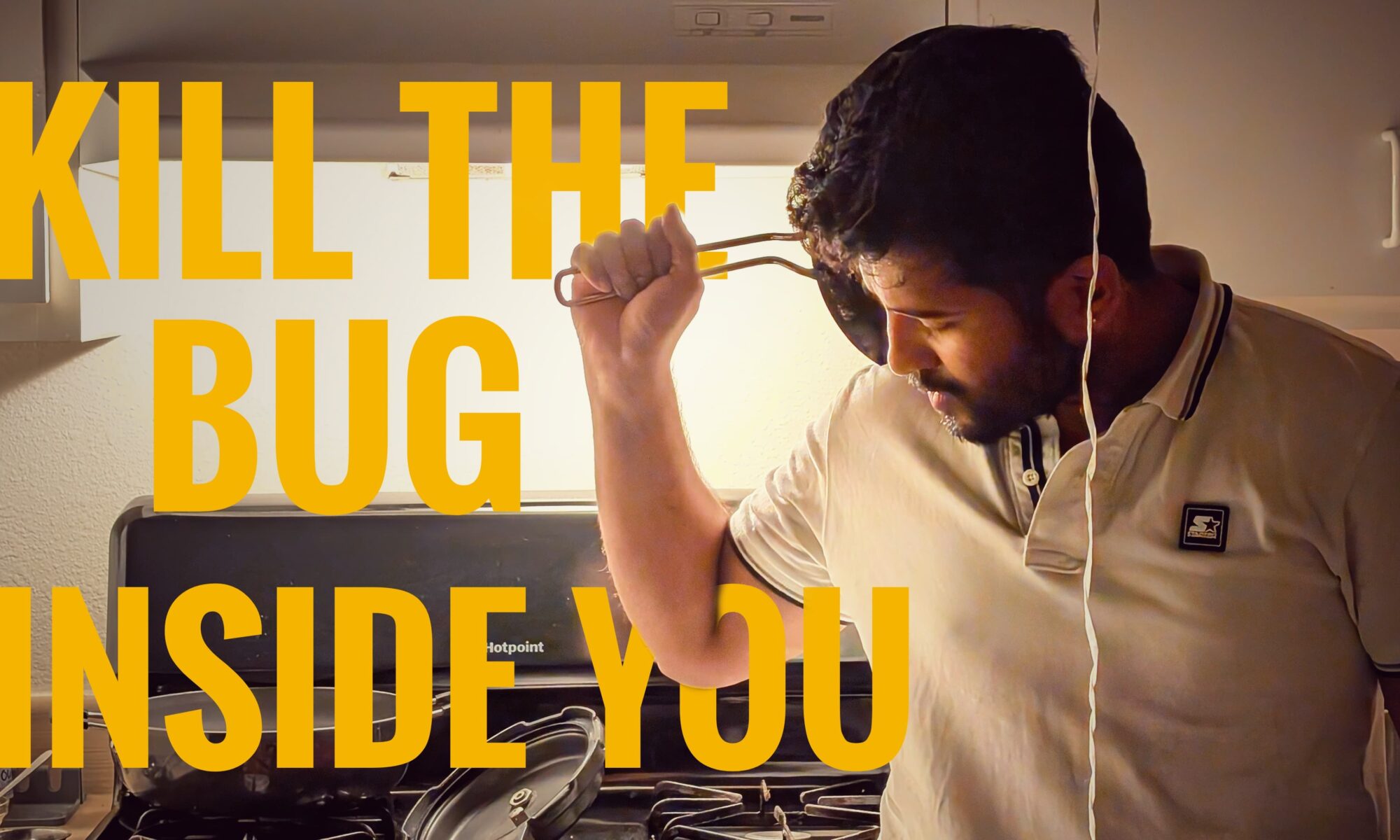
Kill The Bug Inside You!!

Man with a Pan

Kill the Bug Inside You - "A Marketing Nightmare Turned Success"

The Incident: A Campaign Gone Wrong
In 2018, a well-known health supplement brand launched a digital campaign promoting its new probiotic product. The campaign targeted young professionals struggling with digestive issues, using the tagline “Kill the Bug Inside You.”

However, within hours of going live, the campaign faced unexpected backlash. Social media users misinterpreted the tagline, associating it with mental health struggles rather than gut health. Some accused the brand of being insensitive, while others found the message confusing. Hashtags like #MarketingFail and #InsensitiveBranding began trending.

The Redemption: Smart Crisis Management
The marketing team, realizing the mistake, took immediate action. They:

Acknowledged the confusion – The brand issued a public statement apologizing for the unintended interpretation.

Engaged the audience – Instead of deleting the campaign, they launched a follow-up with influencers explaining the real meaning behind the tagline.

Rebranded the message – A revised campaign shifted focus to “Kill the Bad Gut Bacteria, Feel Better Inside.”

Leveraged controversy – The buzz helped drive conversations about gut health, increasing website visits by 300% in a week.

The Outcome: A Viral Success
What started as a marketing disaster turned into a huge success. The revised campaign led to a 25% increase in sales, and the brand was praised for its quick response.

Lesson for Marketers:
Test taglines across different demographics before launch.

Monitor public sentiment and react quickly.

Turn negativity into an opportunity by engaging in honest communication.

Even the best marketers face “bugs” in their strategies. The key is to kill the bug inside before it ruins the campaign!

Burger King’s Marketing Strategy: The Art of Playful Rivalry

Burger king foundation

Founded in 1954 in Jacksonville, Florida, by James McLamore and David Edgerton, Burger King set out to popularize flame-grilled burgers. Originally named “Insta-Burger King,” the brand underwent early rebranding, dropping “Insta” to become the well-known Burger King. A major milestone was the introduction of the Whopper in 1957, priced at just 37 cents. This signature burger helped the brand stand out in an increasingly competitive fast-food industry.

Industry Overview and Marketing Tactics

The global fast-food industry is projected to hit $1,186.44 billion by 2032, with key players like McDonald’s, Wendy’s, Subway, and KFC. The franchise model has been a significant driver of success, allowing rapid expansion with minimal capital investment from parent companies. Burger King effectively leveraged this strategy, with only 50 of its 19,789 outlets company-owned, while the rest operate as franchises.

Burger King follows industry best practices, such as:

  • Family-Friendly Advertising: Targeting families to build trust.
  • Discounts & Loyalty Programs: Incentives like Buy 1 Get 1 Free drive repeat business.
  • Delivery Partnerships: collaborating with Uber Eats, Zomato, and Swiggy for accessibility.
  • Strategic Locations: Positioning in malls, multiplexes, and high-footfall areas.
  • App-Based Ordering: Encouraging digital engagement and repeat purchases.

Burger King’s Entry into India

Burger King entered India in 2014, partnering with Everstone Capital for its franchise operations, while McDonald’s had already been in the market for 18 years. Understanding the importance of adaptation, Burger King localized its strategy by:

  • Introducing a Vegetarian Menu: Items like Paneer King and Tikki Twist cater to India’s large vegetarian demographic.
  • Focusing on Price Sensitivity: Budget-friendly meal combos made the brand accessible to cost-conscious consumers.
  • Adding Localized Flavors: Burgers like the Masala Whopper balanced global identity with Indian taste preferences.

This strategic approach helped Burger King become one of the fastest-growing fast-food brands in India.

Bold Marketing Campaigns

1. Whopper Detour

In 2018, Burger King used geofencing to offer a $0.01 Whopper to customers placing orders near a McDonald’s outlet. 

  • Impact:
    • 1.5 million+ app downloads
    • 3.3 billion impressions
    • 3x increase in mobile sales

2. Burn That Ad

A creative Augmented Reality (AR) campaign allowed customers to virtually “burn” McDonald’s ads via the Burger King app, earning a free Whopper in return. This gamified experience boosted engagement and brand recall.  

3. Moldy Whopper

To highlight its no artificial preservatives policy, Burger King launched a campaign featuring a Whopper rotting over 34 days. While controversial, it reinforced the brand’s commitment to natural ingredients, in contrast to McDonald’s famously non-decomposing burgers. 

4. Google Home of the Whopper

In 2017, a Burger King commercial triggered Google Home devices to read out Whopper descriptions from Wikipedia. Although Google quickly disabled the feature, the stunt went viral, showcasing Burger King’s innovative thinking. 

5. Stevenage Challenge

By sponsoring Stevenage FC, a lesser-known English football club, Burger King encouraged FIFA gamers to play with the team and earn branded rewards.

  • Club’s home jerseys sold out
  • Millions of eyes on Burger King’s branding in FIFA 20
  • User-generated content featuring top football stars

6. Net Neutrality Whopper

Burger King tackled the net neutrality debate by simulating tier-based pricing for Whoppers, mirroring the impact of unequal internet access. The campaign effectively simplified a complex issue for mass audiences.

Key Takeaways

Burger King’s bold, risk-taking marketing has cemented its position as a memorable brand. From leveraging local market insights to engaging audiences with unconventional ad campaigns, the company continues to push the boundaries of traditional advertising.


“Great marketing isn’t just about selling a product it’s about creating conversations, challenging norms, and leaving a lasting impression. Burger King proves that boldness, creativity, and a little playful rivalry can turn a brand into a cultural icon.”

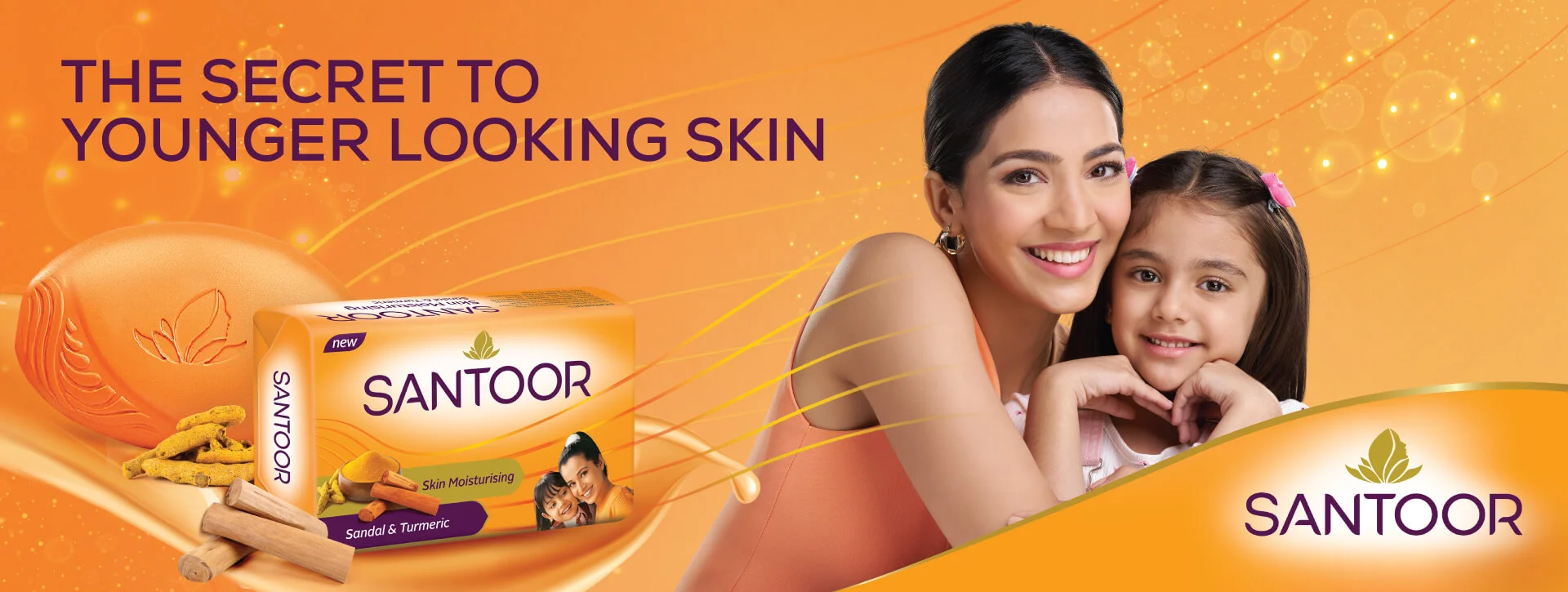
Most of us associate Santoor with the ‘Santoor Mom’ ads:

Mom holding daughter

But that was not the initial focus of the brand.

Santoor was launched by Wipro Consumer Care in 1985. 

Now, kitchen ingredients for beauty have been a norm in India for centuries. So, Santoor initially launched with a USP of a formulation that used turmeric and sandalwood.  In fact, the word Santoor comes from these 2 ingredients – ‘San’ from sandalwood and ‘toor’ (‘tur’) from turmeric.  Though the initial response was good, it was mostly attributed to early adopters. When the prices of Santoor hiked with rising costs of raw materials, consumers went back to their old soaps that cost less. 

Though they released advertisements to tackle this, awareness remained low.

-Repositioning strategy of Santoor 

-SWOT & competitor analysis

-Regional + rural focus

The repositioning strategy of Santoor:

When Santoor was launched, it was positioned as an Ayurvedic soap.

1988: Santoor Haldi Chandan Soap With traditional ingredients, it offered an alternative against brands like Lux and Pears. 

But the market already had brands with “natural is better” positioning, with brands like Medimix, Margo, and Mysore Sandal. With not much differentiation and almost no brand awareness, Santoor was struggling. The major problem with this positioning was the lack of emotional connect. 

Santoor offered a solution to a problem not many consumers were facing. And if the brand is not relatable, it’s not going to hit.

Now, in the mid-90s, a trend was observed among female consumers – they wanted to feel young in order to enhance their self image.  With globalisation, modernisation of traditional Indian homes, and the shift of a woman’s identity from only a  homemaker, it opened up new avenues to how women wanted to feel and be perceived. 

The brand noticed that there was no soap that directly addressed the skincare needs of older women. This aspirational segment was naturally wary of using a product that emphasized traditionality. 

Every beauty soap targeted either young women chasing movie-star beauty or families looking for an all-purpose product.

But what about Indian mothers? The ones who spent their lives taking care of their families but still wanted to look youthful?


That was an untapped market.


So, the brand implemented a repositioning strategy where they promised something every woman wanted – skin that looks younger.


“Younger-looking skin is not about how your skin looks. Nobody says soaps give me young skin. Young skin is an emotion; feeling young and thinking young is an emotion… It is not only about younger skin or looking beautiful, but also feeling young.”

In a society where women are often expected to age gracefully but not too quickly, Santoor positions itself as the subtle confidence boost that aligns with this mindset.

This positioning helped to relate emotionally and appeal to a broader market who was also willing to pay slightly higher for an aspirational value. 

They have continued with this positioning for more than 30 years now.


“In 2018, Santoor was also the second most sold soap brand in India!”

The developers of coupon browser extensions claim that these extensions are stealing their money. Will the Courts Reach a Consensus?

PAYPAL

Affiliate marketing, a significant revenue stream for content creators and influencers, is currently facing legal challenges due to practices by certain coupon browser extensions. These extensions, such as PayPal’s Honey and Capital One Shopping, are accused of diverting commissions away from creators by overwriting their affiliate links during the checkout process.

Key Legal Issues:

  1. Affiliate Link Hijacking: Creators allege that these extensions replace their legitimate affiliate links with the extension’s own, thereby claiming commissions for sales they did not facilitate. This practice undermines the earnings of creators who rely on affiliate marketing for income.

  2. Last-Click Attribution Disputes: The controversy centers around the “last-click attribution” model, which awards the commission to the final referrer before a purchase. Extensions like Honey and Capital One Shopping are accused of exploiting this model by inserting themselves as the last click, thus capturing the commission intended for the original affiliate.

Recent Legal Actions:

  • Lawsuits Against PayPal’s Honey: Content creators have filed class-action lawsuits against PayPal, alleging that the Honey extension improperly claims affiliate commissions by overwriting original affiliate links. These lawsuits seek damages and changes to Honey’s affiliate practices.

  • Legal Action Against Capital One Shopping: Influencers have also sued Capital One, claiming its Shopping browser extension “stole” their affiliate commissions by replacing their cookies with its own, thereby taking credit for sales driven by the influencers’ efforts.

Implications for the Affiliate Marketing Industry:

These legal challenges highlight the need for clearer guidelines and ethical standards in affiliate marketing, especially concerning the use of browser extensions. The outcomes of these lawsuits could set significant precedents, potentially leading to stricter regulations and changes in how affiliate attributions are handled.

As the legal landscape evolves, it’s crucial for content creators, marketers, and companies to stay informed and ensure their practices align with emerging standards to protect their revenue and maintain trust within the industry.

Netflix’s Data-Driven Marketing Strategy.​

movie poster grid

Personalization 

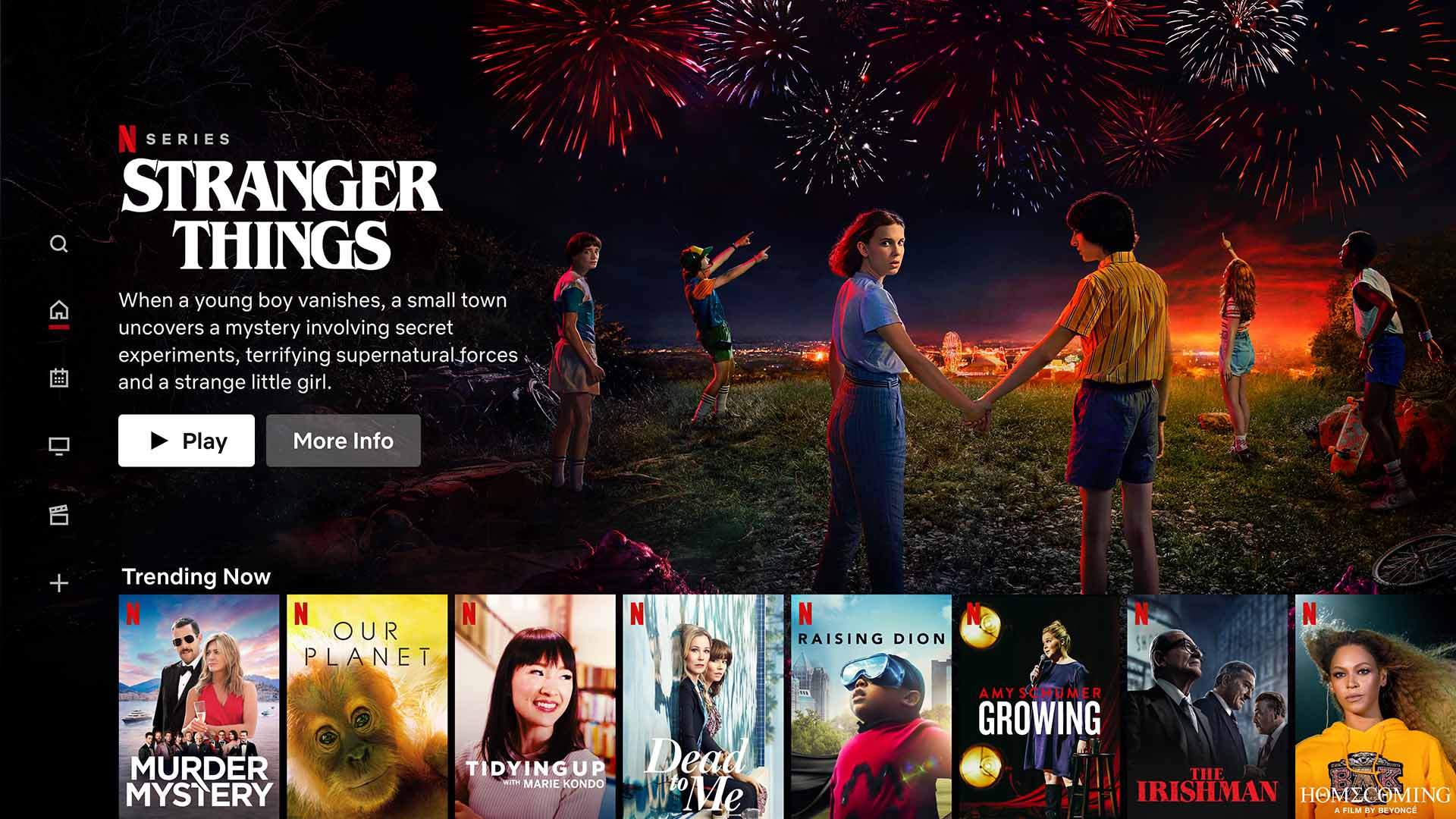
Netflix uses data to personalize recommendations for each user, enhancing user engagement and increasing subscription retention. By analyzing viewing habits, Netflix customizes the homepage of each user with shows and movies tailored to their preferences, based on the content they’ve watched before, ratings, and the genre of content they consume.

A/B Testing

Netflix is known for running thousands of A/B tests every year. They test different elements of the user experience, from thumbnails for movies and shows to changes in the user interface, to see which variations lead to higher engagement. This helps them constantly improve their platform’s user experience.

Content Creation

Beyond marketing, Netflix uses data to inform its content strategy. The platform analyzes viewing trends, including which genres are the most popular and what time of day people are watching. This data helps Netflix decide what content to commission and which shows or movies are worth investing in. For example, they used data to create and promote House of Cards, which was a massive success.

Marketing Campaigns 

Netflix also uses data for creating targeted marketing campaigns. They segment their audience based on their preferences, watching behaviors, and even geographic locations. For instance, they might use specific content to target users in different regions, or they can promote shows based on popular viewing times or trending topics.

Success Story

Netflix’s use of data in marketing and content creation has been one of the key factors in its global success. With over 200 million subscribers, Netflix has set a standard for how brands can leverage data to enhance customer satisfaction, optimize marketing strategies, and grow their business. Their ability to personalize the viewer experience has played a critical role in building a loyal customer base and ensuring they remain one of the leaders in the streaming space.

Netflix’s approach showcases how data is not only crucial for understanding consumer behavior but also vital for creating better products and experiences, leading to sustained business growth.

How Brand Identity Transformed a Struggling Startup into a Global Giant.

Airbnb logo


In 2007, two roommates, Brian Chesky and Joe Gebbia, were struggling to pay rent in San Francisco. With a design conference coming to town and hotels fully booked, they had an idea—why not rent out air mattresses in their apartment to visitors? They called it “Air Bed & Breakfast”, offering a place to sleep and homemade breakfast.

The idea worked, and they saw potential. But in the early years, Airbnb struggled to gain traction. People didn’t trust the idea of staying in a stranger’s home, and the company lacked a clear brand identity to differentiate itself from hotels and other rental services.

The Identity Crisis: Who Was Airbnb?
At first, Airbnb marketed itself as a cheap alternative to hotels, focusing only on affordability. However, this approach wasn’t enough to win over users. The company lacked a strong visual identity, brand story, and emotional connection with its audience.

The Turning Point: Building a Brand Around “Belonging”
In 2014, Airbnb underwent a massive rebranding. Instead of just being about renting rooms, they positioned themselves around a deeper emotional concept—“Belong Anywhere.”

Here’s how Airbnb built its strong brand identity:

A Clear Mission & Emotional Connection

They shifted from just being a rental platform to a community-driven experience.
Their brand focused on travelers connecting with locals, making them feel at home anywhere in the world.
A Unique and Recognizable Logo – The “Bélo” Symbol

Airbnb introduced the Bélo logo, symbolizing Belonging, People, Places, and Love.
It was simple, memorable, and adaptable to different cultures.


A Strong Storytelling Approach:

Airbnb began sharing real host and guest stories through their website, ads, and social media.
This helped build trust and made the brand feel more personal.
Consistent Visual & Marketing Strategy

They used warm, inviting colors and real user-generated images instead of stock photos.
Their messaging focused on experiences over transactions, making Airbnb feel more than just a booking service.


The Result: A Global Hospitality Brand
With this strong brand identity, Airbnb grew rapidly. People no longer saw it as just an alternative to hotels—it became a cultural movement. Today, Airbnb is valued at over $100 billion, operating in 220+ countries with millions of hosts and guests worldwide.

Lesson from Airbnb’s Brand Identity Success
A strong brand identity isn’t just about a logo—it’s about the emotions and experiences tied to your brand.
People connect with brands that have a clear mission and storytelling approach.
Consistency in messaging, visuals, and experience builds trust and recognition.

This transformation proves that a brand identity can turn a struggling startup into a global powerhouse.

The Ultimate Meta Ads Strategy for Maximum Conversions in 2025

Facebook on phone

1. Use the Power of the "Engagement Warm-Up" Strategy

If you’re running Meta Ads (Facebook & Instagram Ads) and not seeing the results you want, it’s time to tweak your approach. After running multiple campaigns and analyzing performance, I’ve found a game-changing strategy that can improve your conversion rates and reduce wasted ad spend. Let’s dive in!

A big mistake advertisers make is going straight for conversions without warming up their audience. That’s like proposing on the first date! Instead, try this two-phase strategy:

Phase 1: Engagement & Brand Awareness

  • Run Video View or Engagement Ads targeting a broad audience.
  • Create engaging content—short-form videos (Reels, Stories), carousel posts, or interactive polls.
  • Optimize for engagement (likes, shares, comments) to build a warm audience.

Phase 2: Retargeting for Conversions

  • Now, run conversion-focused ads targeting only those who engaged with your first phase.
  • Use compelling ad creatives (test UGC-style videos, testimonials, or carousel ads).
  • Offer a strong CTA (discounts, free trials, lead magnets).

Why It Works:
Instead of targeting cold audiences and wasting ad spend, you’re now focusing on people already familiar with your brand, leading to higher conversions and lower CPC.

2. Leverage Lookalike Audiences from High-Intent Users

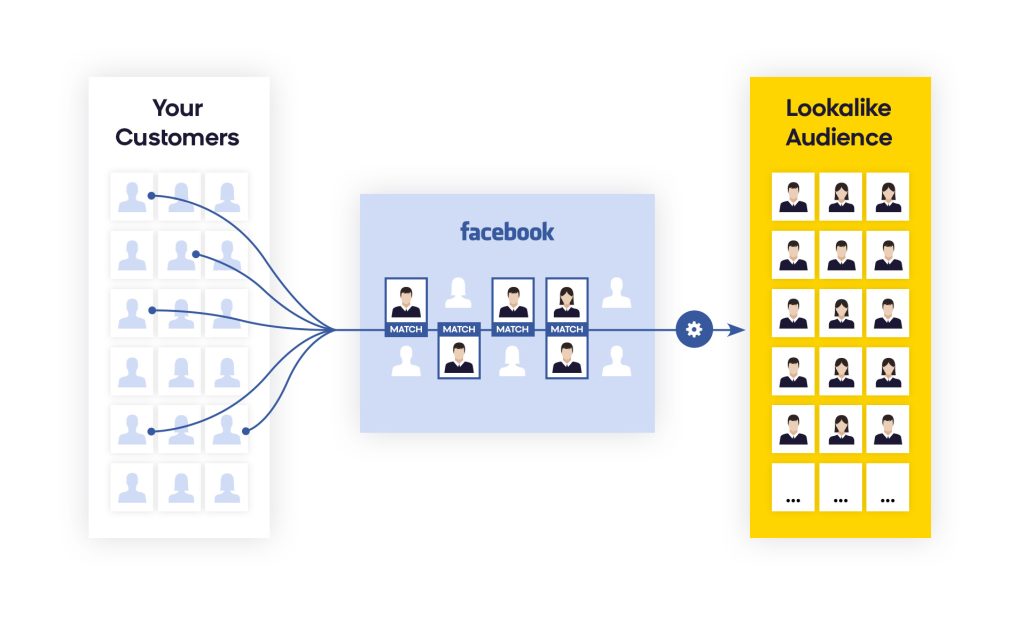
One of Meta’s most powerful tools is Lookalike Audiences—but not all lookalikes are created equal! Instead of using a general customer list, try this:

Create a Lookalike Audience from High-Intent Users, such as:

  • People who added to cart but didn’t purchase.
  • People who spent the most time on your landing page.
  • People who watched 75% of your video ad.                                        

Why It Works:

These users already show high buying intent, and Meta finds similar people to target, making your ads more efficient and profitable.


3. Optimize for Mobile & Leverage Facebook’s Advantage+ Placements

Most people scroll Meta apps on their phones, so if your ads aren’t optimized for mobile, you’re losing conversions. Here’s how to fix it:

  • Use vertical ad creatives (9:16) for Stories & Reels.
  • Enable Facebook’s “Advantage+ Placements” to let Meta optimize for the best-performing placements.
  • Keep your ad copy short & compelling—focus on benefits, not just features.

Why It Works:


With 90% of Facebook & Instagram users on mobile, optimizing for mobile ensures higher engagement and lower ad costs.


Final Thoughts

Meta Ads can be incredibly powerful when executed correctly. Instead of wasting money on broad targeting, use the Engagement Warm-Up Strategy, high-intent Lookalike Audiences, and mobile optimization to improve performance.

Integration of Artificial Intelligence in Personalized Marketing.​

food brands

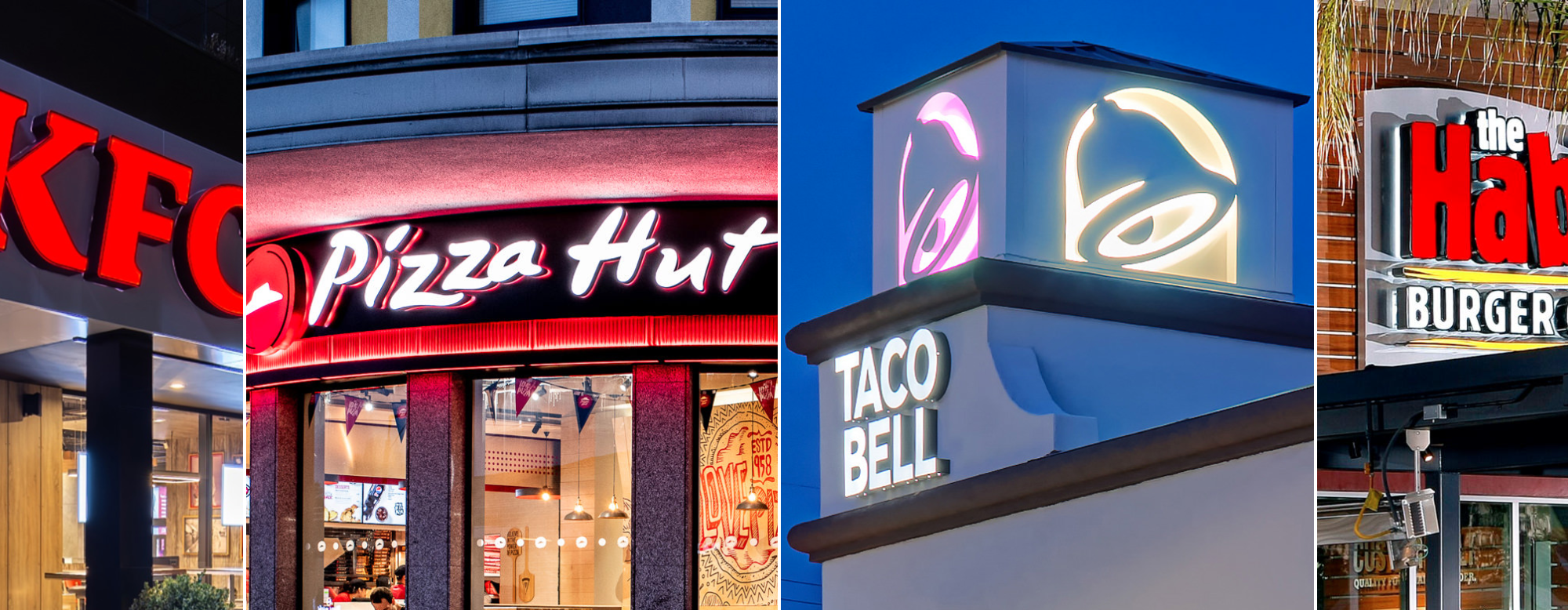
Companies are increasingly leveraging AI to enhance customer engagement through personalized marketing campaigns. For instance, Yum Brands, the parent company of Taco Bell, Pizza Hut, and KFC, has reported significant improvements in customer engagement and purchases by utilizing AI-driven personalized marketing. Their approach includes delivering customized emails tailored to individual preferences, resulting in double-digit increases in engagement compared to traditional methods.

Adoption of AI and Data-Driven Strategies in Advertising.

The advertising industry is undergoing a significant transformation with the integration of data analytics and AI. A notable example is the $30 billion merger between Omnicom Group and Interpublic Group, aiming to create the world’s largest advertising business focused on data and AI-driven strategies. This shift emphasizes personalized and efficient ad creation, challenging traditional creative approaches and highlighting the growing importance of technological innovation in marketing.

Utilizing Social Media Features for Enhanced Customer Engagement.

Brands are exploring new social media tools to connect with their audiences more effectively. During fashion events, companies like Moda Operandi have utilized Instagram’s broadcast channels to provide real-time insider coverage, attracting thousands of followers. This strategy offers exclusive content, conducts polls, gathers customer feedback, and fosters a sense of community among audiences, thereby enhancing customer engagement and loyalty.

The Power of Micro-Habits in Transforming Your Marketing Strategy

omen with sticky notes

Hey Marketers!!


In the fast-paced world of marketing, we often chase big wins and viral campaigns. However, true, sustainable growth doesn’t come from occasional breakthroughs—it comes from the consistent execution of small, strategic actions. This blog explores how micro-habits can revolutionize your marketing efforts, driving lasting results over time.

1. The Compounding Effect of Small Actions
Think of marketing like compound interest. Small, daily improvements in your campaigns, content creation, or engagement strategies accumulate, leading to exponential growth. Instead of trying to overhaul your strategy overnight, focus on making 1% improvements each day.

Example:
Optimizing one ad copy daily instead of reworking an entire campaign.
Tweaking website CTAs regularly for better conversion rates.
Refining SEO keywords weekly to enhance website visibility.
Adjusting social media captions for improved engagement.

Why It Works:
Micro-actions reduce the pressure of achieving perfection in one go. They create momentum, build confidence, and allow for continuous learning and adaptation.

2. Creating Effective Marketing Habits
To embed productive habits into your marketing workflow, follow these principles:

  • Define specific, measurable goals and place them where they’re easily noticeable. Utilize visual tools like progress trackers or KPI dashboards to keep your objectives front and center. For example, create a daily checklist for your content calendar or set reminders for campaign reviews.
  • Link marketing tasks to meaningful incentives, such as recognizing team efforts or showcasing achievements to boost motivation and morale. Gamify your tasks with small rewards for completing key activities.
  • Break down large projects into manageable tasks, such as drafting one paragraph of content each day or setting aside 10 minutes to analyze campaign metrics.
  •  Analyze performance regularly to see tangible progress, reinforcing the habit loop. Celebrate small wins like hitting weekly engagement targets or achieving higher click-through rates.

3. Identity-Based Marketing Strategies
Rather than focusing solely on goals (like gaining 10,000 followers), shift towards identity-driven strategies. Think, “We are a brand that values authentic engagement” instead of just “We need more likes.” This mindset fosters consistency and purpose in your marketing efforts.

How to Apply This:
Craft brand messaging that reflects your core values.
Engage with your audience genuinely, not just for metrics.
Focus on building a community rather than just growing numbers.

4. Practical Micro-Habits for Marketers
Spend 5 minutes daily engaging with your audience on social media by replying to comments or messages.
Read one marketing article or case study every morning to stay updated on industry trends.
A/B test one element of your ad or email weekly, such as subject lines or images.
Review campaign analytics briefly each day to identify trends and adjust strategies.
Schedule 10 minutes each week to brainstorm new content ideas.

5. Tracking Progress and Adjusting
Use marketing analytics tools to measure the impact of your micro-habits. Consistent tracking helps refine strategies, ensuring that small changes lead to big results.

Tools You Can Use:
Google Analytics for website performance insights.
Social media analytics dashboards to monitor engagement.
Project management tools like Trello or Asana to track daily tasks.

“Big marketing wins are often the result of tiny, consistent efforts made over time. By incorporating micro-habits into your strategy, you’ll build a strong foundation for sustainable growth, improved engagement, and long-term success. Start small, stay consistent, and watch your marketing efforts transform”.

The Future of Social Media: Generative AI Automation

women and blue screen

Generative AI for Automating Social Media Posts

Hi there! Welcome to Tech Nick Marketing's latest edition!

We highlight a fascinating advancement in digital marketing in this issue: Automated Social Media Posts using Generative AI.

The need for effective content development has increased as companies work to have an active social media presence. With the help of generative AI technologies, marketers can now automate their social media posts, increasing creativity and saving time. This is a detailed tutorial on automating the publication of material on social networking sites.

Step 1: Select the Appropriate AI Tool

Choose a generative AI tool based on your requirements. Among the well-liked choices are:

Using the URL of your website and the topics you designate, Narrato AI Content Genie creates social media posts automatically. Every week, it may generate 20–25 pieces of content, replete with photographs and hashtags.

SocialBee: Provides an AI post generator that generates interesting content for several networks, making scheduling and publishing simple.

FeedHive: To maximize interaction, this technology not only creates content but also forecasts performance.

Step 2: Establish Your Content Plan

Describe your content plan before you start automating. Think about the following:

Who is the target audience that you are attempting to reach? Make sure your content speaks to them.

Content Types: Select the proportion of engagement-driven, instructional, and promotional articles.

Decide how frequently you would like to post. When it comes to social media marketing, consistency is crucial.

Step 3: Enter Your Settings

After deciding on a tool and formulating your plan, enter the required information:

Themes or Topics: Indicate the primary themes or subjects you wish to discuss in your postings.

Brand Voice: Make sure the AI can recognize the tone of your brand, whether it’s amusing, informal, or professional.

Visuals and Hashtags: A lot of programs have the ability to automatically provide pertinent photos and hashtags.

Step 4: Produce Content

Make use of the AI tool to create your content. Before posting, you may preview and change the material on the majority of sites. This is an important phase since it guarantees that the final product will be consistent with the identity of your brand.

Step 5: Arrange Your Content

Utilize the scheduling function of the tool of your choice after your postings are complete. By establishing distinct timings for every post to go live, you can maximize interaction by taking advantage of your audience’s peak activity.

Step 6: Observe and Modify

Use the platform’s statistics to track the effectiveness of your posts after they go live. Keep an eye out for engagement indicators like comments, shares, and favorites. Make future content plans better with the help of this data.