
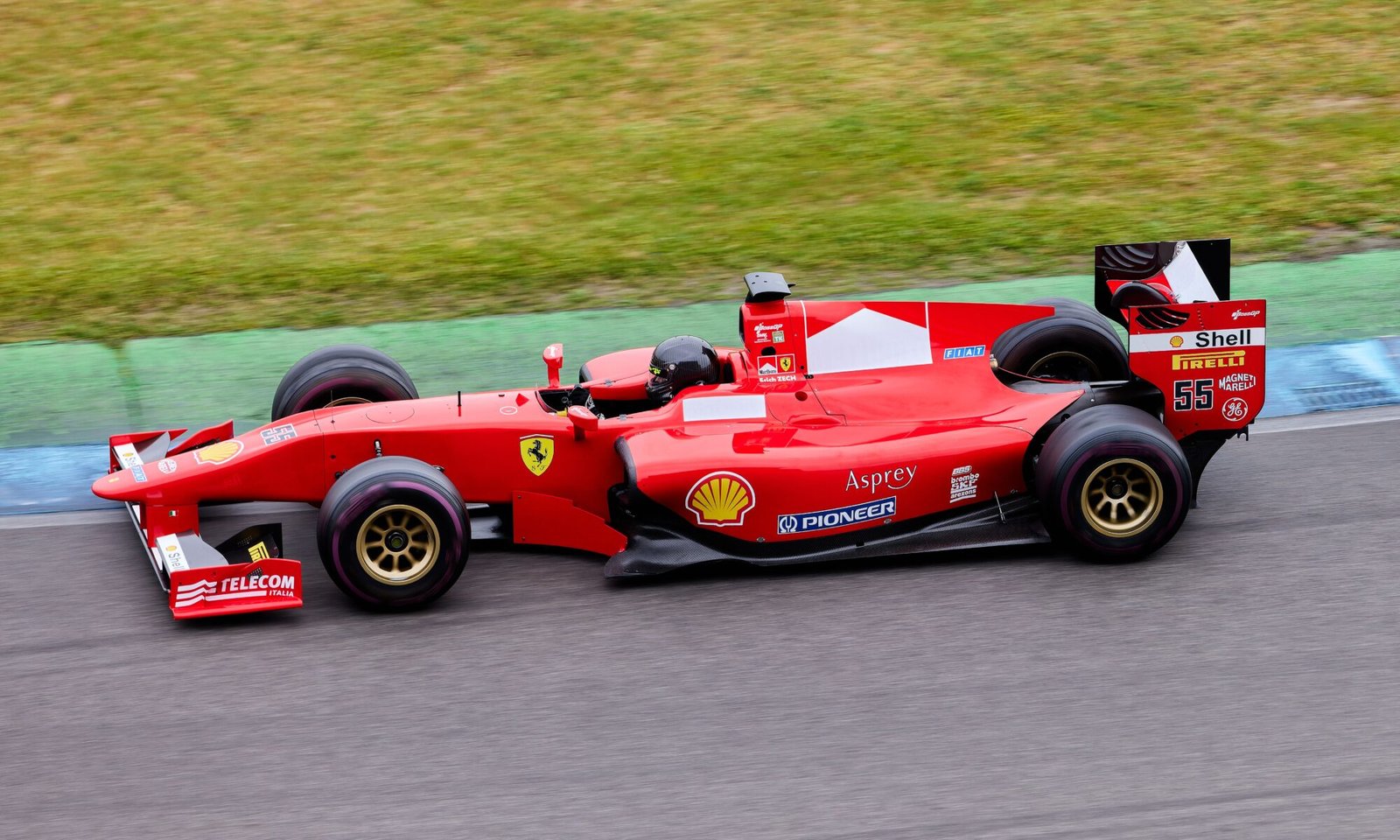
Most brands that want into Formula 1 buy their way in. Logo on the car, logo on the driver, hospitality tent full of guests. It works, but the logo is a blur at 300 kilometers per hour, and the viewer never has to look at it.
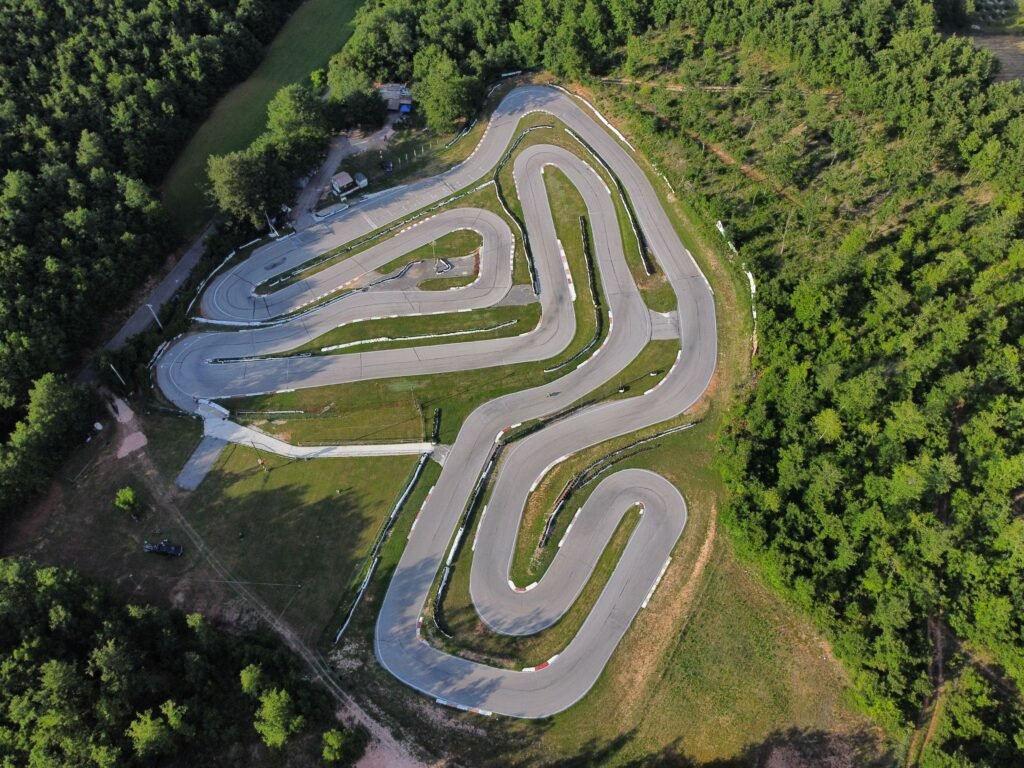
McDonald’s looked at the same sport and saw something nobody else had seen. From a helicopter view, the sharpest corners of F1 circuits trace a familiar shape: the Golden Arches. The letter M, drawn in asphalt. So the brand did something unusual. Instead of only interrupting the race with its logo, it turned the race itself into the advertisement.
The result was “The Golden Zone,” a campaign created by TBWA Colombia that went on to be shortlisted at Cannes Lions 2026 across three categories: Media, Direct, and Creative Commerce. Here is what happened, how it worked, and why marketers are still talking about it.
What Happened: The Facts First
Let us separate what is confirmed from what is commentary.
Confirmed: “The Golden Zone” is a real McDonald’s campaign by TBWA Colombia. It appears on the Cannes Lions 2026 shortlists in the Media Lions (Use of Social Platforms), the Direct Lions (Travel, Leisure, Retail, Restaurants and Fast-Food Chains), and the Creative Commerce Lions (in both the fast-food and the Entertainment Commerce sections). A Cannes shortlist is peer recognition from the industry’s most competitive awards, which tells you this was a professionally executed, results-bearing campaign, not a concept deck.
Confirmed: McDonald’s is making a serious, multi-layered push into Formula 1. Separately from the Golden Zone, the company entered a partnership with Oracle Red Bull Racing, putting the Golden Arches on the RB21 cars of Max Verstappen and Yuki Tsunoda for the São Paulo Grand Prix at Interlagos, plus a pit-stop-themed drive-thru activation near the circuit. That deal was covered by Sports Illustrated’s F1 vertical, among others (https://www.si.com/onsi/f1/news/red-bull-brings-famous-golden-arches-to-track-for-the-first-time-in-new-partnership).
As described: The Golden Zone’s mechanics, as broken down in widely shared creator explainers, worked like this. McDonald’s studied F1 circuits from above and identified corners whose shape mirrors the Golden Arches. Those sections of track were branded the “Golden Zones.” Inside the McDonald’s app, a discount offer sat locked. It unlocked only while the race leader was driving through that specific M-shaped corner. The moment the car entered the zone, the offer went live. The moment it exited, the offer vanished.
That last part is the detail worth pausing on, because it is the whole strategy in miniature.
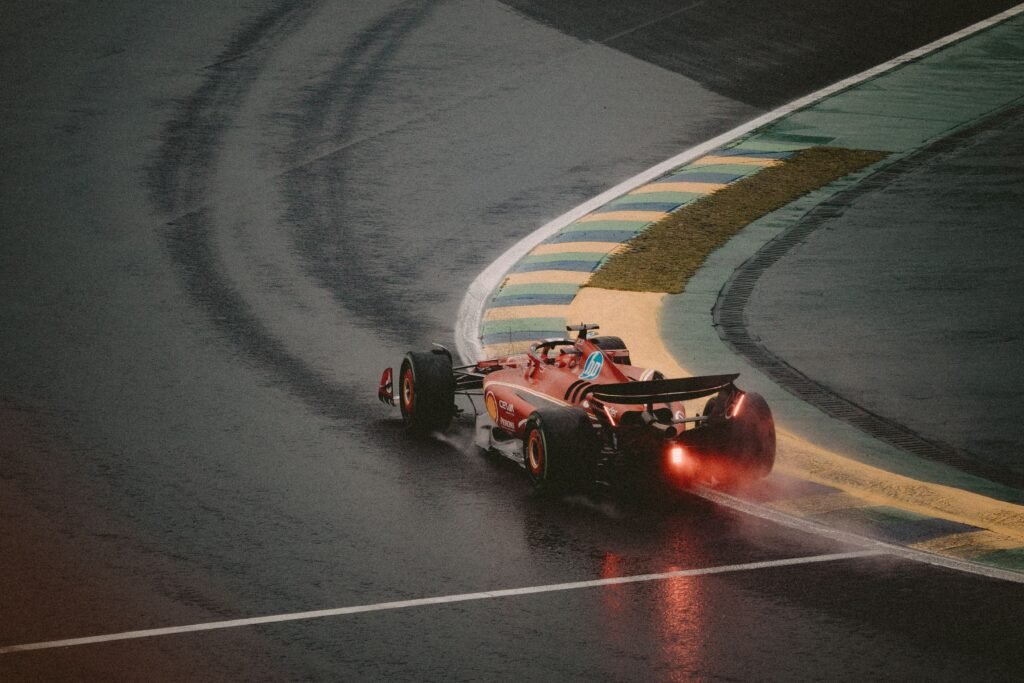
Why It Worked: Participation Beats Interruption
Traditional sports sponsorship asks for attention and hopes to get it. A logo on a car is a tax the viewer pays with their eyes, usually while looking at something else. The Golden Zone inverted the deal. It gave viewers a reason to stare at the screen.
Think about what the mechanic demands. To catch the offer, you have to watch the race live, phone in hand, waiting for one specific corner. The brand did not buy thirty seconds of your attention. It borrowed two hours of it, voluntarily given. Passive TV viewing became active participation, and the second screen, usually a distraction from the main event, became the point of the main event.
There are three specific things worth stealing here.
1. The media was free because the race was the media. McDonald’s did not purchase airtime for the Golden Zone to work. The broadcast already existed; millions were already watching. The campaign simply attached itself to a moment inside content people had chosen. Compare that with a standard TV spot, where you pay for the privilege of being the thing viewers wait through. One of these is rented attention. The other is engineered attention, and it costs a fraction.
2. Scarcity was real, not manufactured. Marketers slap countdown timers on everything, and consumers have learned to ignore them. The Golden Zone’s window was genuinely scarce: a few seconds, tied to a physical event nobody controls. You cannot fake that urgency, which is exactly why it worked. The offer’s value came from its narrowness.
3. The brand asset did the heavy lifting. The entire idea runs on the Golden Arches, arguably the most recognized logo on earth. No new mascot, no celebrity, no jingle. The campaign just found the arches hiding in the world and pointed at them. That is the cheapest kind of creativity: recognition, not invention. If your brand has a distinctive shape, color, or sound, the question is where it already exists in your customers’ environment, unnoticed.
The Nuance the Reels Skip
The popular telling of this story goes: McDonald’s skipped the dumb logo-on-a-car sponsorship and did something clever instead. That framing is satisfying, but it is incomplete.
McDonald’s did both. The Golden Zone was the creative activation; the Oracle Red Bull Racing deal is the traditional sponsorship, arches on the halo and all. That is not a contradiction. It is the actual strategy, and it is smarter than either half alone.
Sponsorship buys presence and prestige. It says: we belong in this world. Activation buys participation. It says: we are fun in this world. Most brands pick one. McDonald’s ran them as a pair, the Red Bull partnership giving the brand credibility inside the sport while the Golden Zone gave fans something to do with it. If you are evaluating sports marketing, that pairing is the lesson: presence without participation is wallpaper; participation without presence has no stage to stand on.
What Marketers Can Take From This
You do not need an F1 budget to use the Golden Zone playbook. The principles scale down cleanly:
1. Find the moment your audience already watches. Do not start by buying attention. Start by mapping where attention already pools, then design a reason to be part of it. A local brand can do this with a city’s marathon route, a graduation livestream, or a product launch event.
2. Make the phone part of the experience, not a distraction from it. Second-screen behavior is not going away. Campaigns that treat the phone as the enemy lose; campaigns that give the phone a job win.
3. Tie your offer to something real and uncontrollable. A discount that unlocks “when it happens” beats a discount with a fake countdown every time. Weather, game events, live moments: these are scarcity engines you do not have to manufacture.
4. Audit your brand assets for hidden placements. The arches were always in those corners. What shape, sound, or color of yours is hiding in your customers’ world? The best placements are discovered, not purchased.
5. Pair presence with participation. If you sponsor something, activate it. If you activate something, give it the credibility of presence. One without the other is half a strategy.
The Bigger Lesson
Zoom out and the Golden Zone belongs to a pattern. The best recent brand work does not interrupt culture; it joins it mid-sentence. A decade ago, the question was where to place the logo. Now the sharper question is where the logo already is, and what you can make happen there.
McDonald’s found its arches drawn in racetrack asphalt and turned a corner into a coupon. The technology involved was trivial: an app, a locked offer, a trigger. The insight was not. Attention is abundant; voluntary attention is rare. The brands winning right now are the ones designing for the second kind.
Quick Answers
What is McDonald’s “Golden Zone” campaign? A Cannes Lions 2026-shortlisted campaign by TBWA Colombia that branded F1 track corners shaped like the Golden Arches as “Golden Zones,” tying app-exclusive offers to live race moments.
Did McDonald’s really skip F1 car sponsorship? No. Alongside the Golden Zone activation, McDonald’s partnered with Oracle Red Bull Racing, placing the Golden Arches on F1 cars for the São Paulo Grand Prix. The brand ran sponsorship and activation as a pair.
Why do marketers consider it a standout? It converted passive race viewing into active participation, used real rather than manufactured scarcity, cost a fraction of traditional airtime, and ran entirely on the brand’s existing visual asset.
What is the core takeaway? Design for voluntary attention. Find where your audience already looks, give their second screen a job, and pair brand presence with something participatory.
Sources: Roastbrief’s Cannes Lions 2026 shortlist coverage (https://roastbrief.us/cannes-lions-2026-unveils-the-media-lions-shortlist-featuring-141-finalists-that-show-how-data-channels-platforms-culture-and-strategy-are-redefining-media-creativity/), Sports Illustrated on the Red Bull partnership (https://www.si.com/onsi/f1/news/red-bull-brings-famous-golden-arches-to-track-for-the-first-time-in-new-partnership).